

AstraZeneca strikes US$1.5B deal with insitro for cardiometabolic diseases
Under the agreement, AstraZeneca will pay US$40 million upfront, with an additional US$1.46 billion available in development and commercial milestone payments.
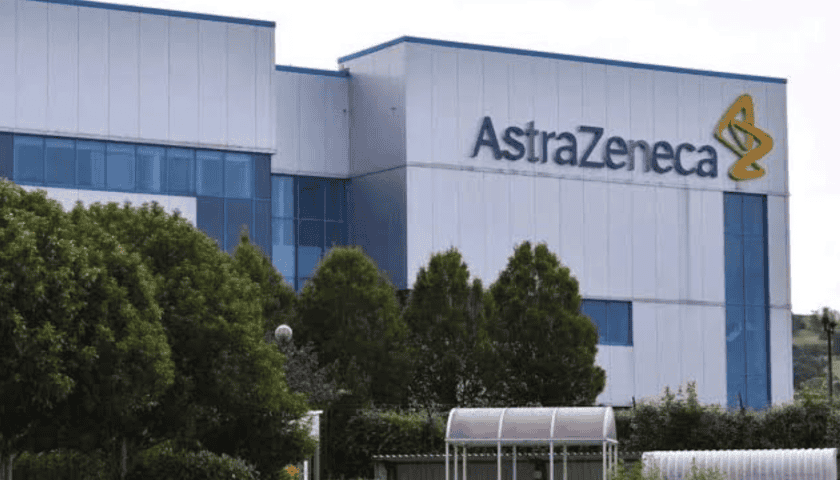
USA—AstraZeneca has partnered with US biotechnology company insitro in a deal worth up to US$1.5 billion to discover and develop AI-powered treatments for metabolic dysfunction-associated steatohepatitis (MASH) and cardiomyopathies.
The collaboration will use artificial intelligence (AI) and human biological data to identify disease targets and develop therapies that address unmet medical needs in both conditions.
MASH is a progressive liver disease associated with metabolic dysfunction, while cardiomyopathies affect the heart muscle and can impair its ability to pump blood.
Under the agreement, AstraZeneca will pay US$40 million upfront, with an additional US$1.46 billion available in development and commercial milestone payments.
AstraZeneca will receive exclusive global rights to develop selected programmes emerging from the collaboration and will pay insitro single-digit royalties on resulting product sales.
AI platform targets disease biology
The partnership will draw on insitro’s Virtual Human AI platform, which analyses large datasets from human and cellular sources to identify biological mechanisms that contribute to disease.
The companies aim to use these insights to uncover new therapeutic targets and advance potential treatments.
Insitro founder and chief executive officer Daphne Koller said applying AI to complex datasets could expand discovery opportunities and improve understanding of the genetic factors underlying MASH and cardiomyopathies.
The platform analyses disease biology while identifying causal drivers of pathology, Koller said.
She added that combining insitro’s technology with AstraZeneca’s drug development expertise could help advance promising programmes towards clinical development and, potentially, patients.
AstraZeneca expands its cardiometabolic pipeline
The agreement supports AstraZeneca’s strategy in cardiovascular, renal and metabolic (CVRM) diseases, where it already markets several medicines.
These include Farxiga (dapagliflozin), a sodium glucose cotransporter 2 inhibitor used to treat conditions including type 2 diabetes, heart failure, and chronic kidney disease.
However, the medicine faces generic competition after losing US market exclusivity earlier in 2026.
The deal also strengthens AstraZeneca’s efforts to develop treatments for MASH.
The company is evaluating AZD2389, a small molecule fibroblast activation protein inhibitor, in Phase II trials.
It previously discontinued AZD2693, an antisense oligonucleotide candidate for MASH, after results from a Phase II study fell short of expectations.
MASH market attracts pharmaceutical investment
Commercial opportunities are adding to industry interest in MASH treatments.
GlobalData projected that the market would grow from US$802.3 million in 2022 to US$20.3 billion by 2032, representing a compound annual growth rate of 38.2%.
Expected growth reflects the potential entry of additional pipeline therapies and wider use of existing treatments.
These include Madrigal Pharmaceuticals’ Rezdiffra (resmetirom), the first approved treatment for MASH in the United States, and Novo Nordisk’s Wegovy (semaglutide), a glucagon-like peptide 1 receptor agonist with potential relevance to the disease.
Greater use of non-invasive diagnostic tests could also support disease identification and management.
However, AstraZeneca and other developers face competition from emerging incretin-based medicines and investigational antifibrotic therapies as companies seek treatments that address different stages and mechanisms of MASH.
Be the first to leave a comment