

Africa & Middle East
-
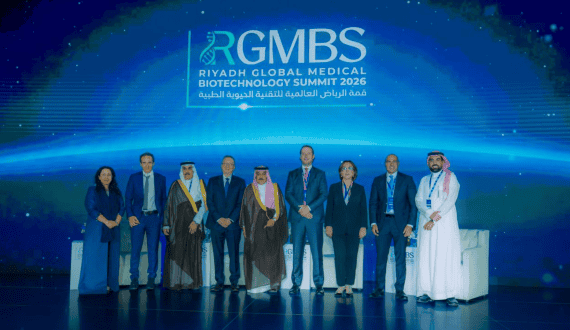
Vertex expands partnership with MNGHA to advance gene therapy care in Saudi Arabia
The announcement was made at the Riyadh Global Medical Biotechnology Summit (RGMBS), building on a collaboration established after Saudi Arabia’s first gene therapy infusion in 2024.
-
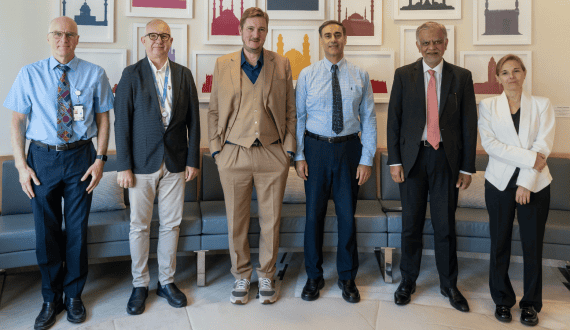
Sidra Medicine expands precision cancer care for children in Qatar through genomic research
Over the past five years, the program has expanded its molecular diagnostic capabilities and introduced expedited genomic oncology profiling to provide oncologists with timely information when treatment decisions are urgent.
-
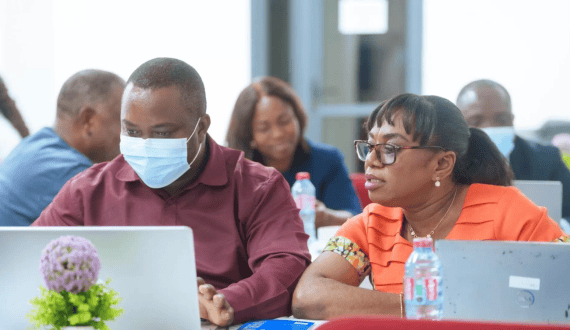
WHO supports Ghana’s clinical trial capacity assessment across 15 institutions
Participants included researchers, scientific leaders, women scientists, and private sector representatives, reflecting the diversity of Ghana’s research community.
-
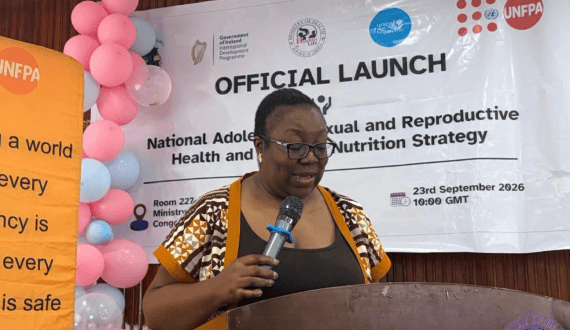
Liberia Ministry of Health unveils five-year strategy for adolescent health in Monrovia
The National Adolescent Sexual and Reproductive Health and Rights (SRHR) and Nutrition Strategy 2026 to 2031 was unveiled at the Ministry of Health in Monrovia.
-
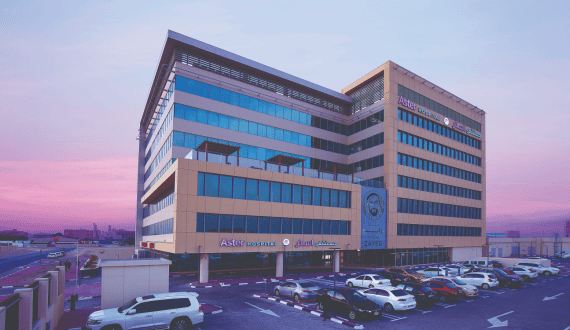
Aster Hospital Al Qusais performs 501 cardiothoracic procedures in 20 months in UAE
The procedures included 352 cardiac surgeries, 14 aortic procedures, 90 thoracic surgeries, seven endovascular aortic aneurysm repairs (EVAR) and 38 other procedures.
-
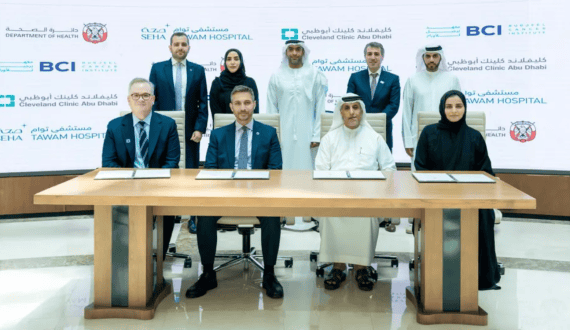
Abu Dhabi designates three hospitals as Breast Cancer Oncology Centres of Excellence
The designation recognises the hospitals’ specialised capabilities in breast cancer diagnosis and treatment, including multidisciplinary care, advanced technologies, clinical research and patient support.
-
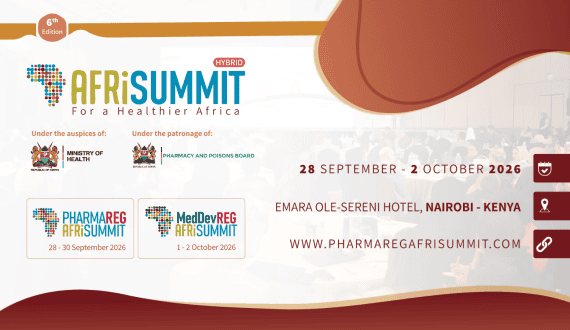
AfriSummit 2026 set to convene African health regulators in Nairobi
Organisers expect more than 16 national regulatory authorities and notified bodies, alongside more than 100 speakers and 450 decision makers from over 25 countries.
-
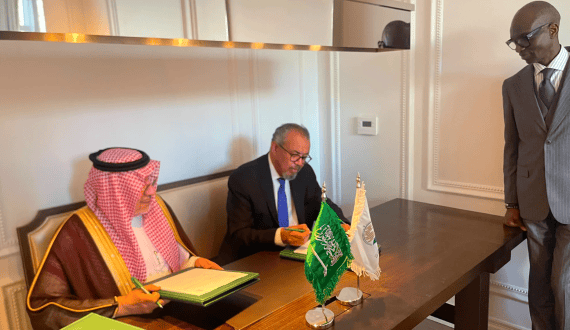
KSrelief signs US$5.3 M cholera response agreement with WHO for Lake Chad Basin
The project will cover Cameroon, Chad, Mali, Niger and Nigeria, combining water, sanitation and hygiene (WASH) interventions with disease surveillance and medical support.
-
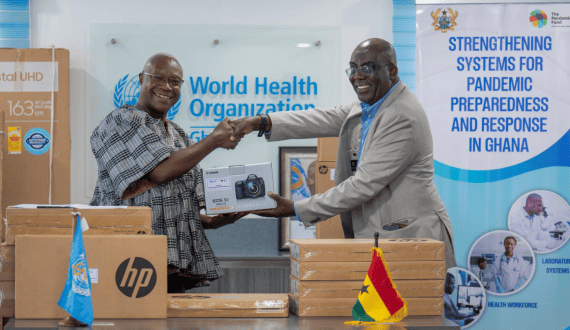
WHO hands over US$19,900 in ICT equipment to University of Ghana Public Health School
The new equipment will support a range of academic and institutional activities at the school. These include data analysis, research, lectures, seminars and virtual engagements.
-
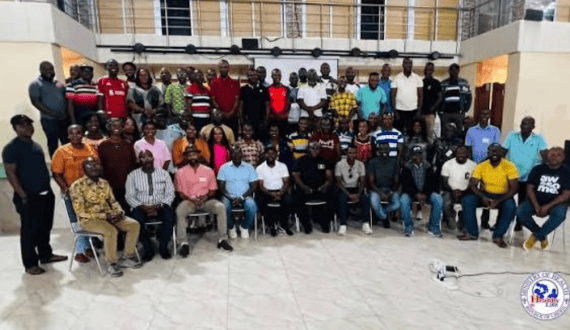
Liberia Ministry of Health trains county teams to strengthen malaria surveillance in Ganta
The plan targets a reduction of at least 50 percent in malaria related deaths and a 40 percent reduction in malaria case incidence by 2030, compared with 2022 levels.