

Africa & Middle East
-
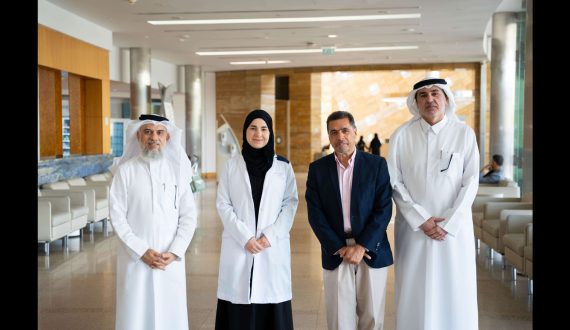
Sidra Medicine reports successful use of setmelanotide in rare childhood hypothalamic obesity cases
The report highlights how a targeted, mechanism-based approach helped manage a rare and complex form of obesity that developed after severe brain injury in infancy.
-

ADCAN Pharma partners with Menarini to manufacture essential medicines locally in Abu Dhabi
The agreement was formalised during a signing ceremony held at ADCAN Pharma’s advanced manufacturing facility in Abu Dhabi, bringing together senior leadership from both organisations and key healthcare stakeholders.
-

South Africa begins historic twice-yearly injectable HIV prevention rollout
The Department of Health has begun distributing the injectable through an initial network of 360 health facilities located in high-burden districts.
-

Dr. Soliman Fakeeh Hospital in Jeddah receives Saudi Arabia’s first Gold Patient Safety Certificate
The hospital met all required standards set by the Saudi Patient Safety Center, reflecting strong compliance with structured safety protocols and system-wide quality controls across its clinical and operational departments.
-

Dubai Opens UAE’s first neurodivergent-owned mental health center under Uniquely You Clinic
Neurodiversity remains a central focus, particularly in identifying autism and ADHD in girls, women, and high-achieving adults who often mask symptoms for years before receiving support.
-

Egypt builds massive US$240M Vaccine City to end import dependence
The project includes a specialised training academy designed to develop advanced skills in biotechnology, quality control, and vaccine production, ensuring a steady pipeline of qualified personnel to support long-term operations and sector growth.
-
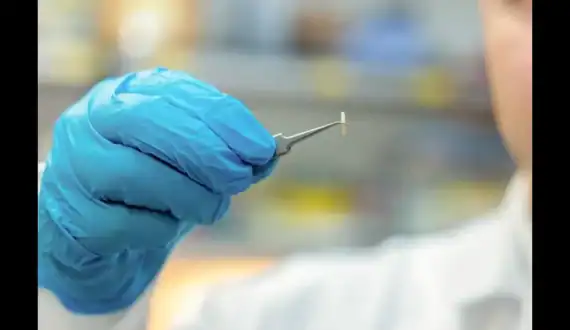
NYU Abu Dhabi collaborates with Cleveland Clinic to develop wire-free injectable microdevice for chronic pain management
The researchers designed the device to work seamlessly with existing medical imaging technologies, including ultrasound and CT scans.
-

JOOTRH partners with the University of Washington to launch Kulinda Study to combat TB in Kenya
The hospital introduced the programme as part of broader efforts to reduce the burden of airborne diseases through stronger community engagement and evidence-based interventions.
-
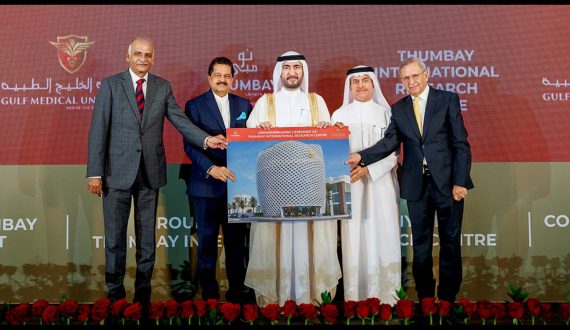
Thumbay Group launches new International Research Centre in Ajman
The facility will occupy approximately 3,000 square metres and will comprise a ground floor, five upper levels, and a rooftop, reaching a height of 27.75 metres.
-

EDE signs landmark MoU with Novo Nordisk to boost UAE pharmaceutical manufacturing
Under the new agreement, EDE and Novo Nordisk will work together to enhance pharmaceutical supply chain security by increasing in-country value creation and expanding strategic partnerships that help maintain a steady supply of medicines.