
Africa & Middle East
-

MedLab opens advanced surgical training facility at Dubai Science Park
The facility is built to accommodate approximately 1,000 to 1,500 healthcare professionals each year, including consultants, specialists, and early-career doctors.
-
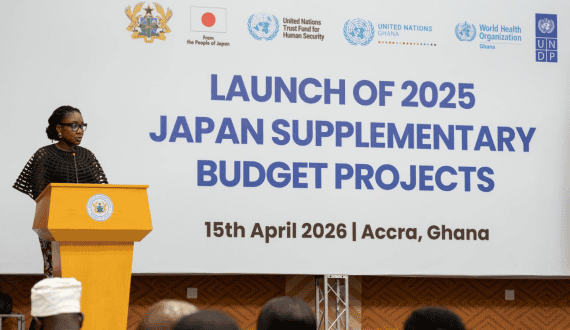
Ghana launches WHO-UNDP AI-powered digital health program to strengthen healthcare systems
The initiative, implemented with the Ministry of Health in Ghana, arrives at a time when countries are increasingly adopting digital technologies to address complex health challenges such as climate-sensitive diseases and unequal access to care.
-
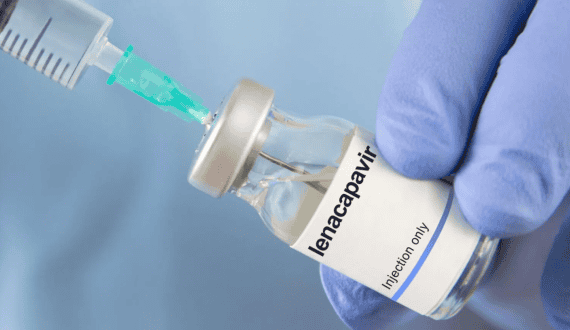
Benue State rolls out injectable HIV PrEP Lenacapavir in Nigeria
The launch brings together national and international health stakeholders who are supporting Nigeria’s broader HIV response strategy.
-
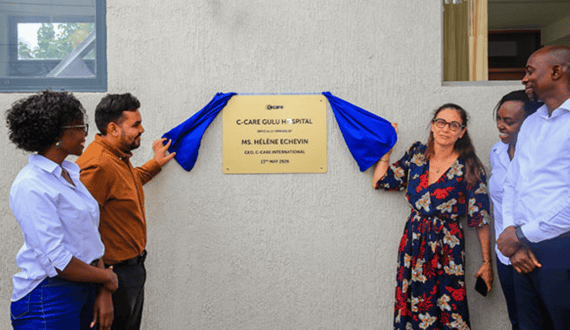
C-Care opens specialist hospital in Gulu, Northern Uganda
The launch coincides with the company’s 30th year of operations and reinforces its strategy of building an integrated healthcare system across Uganda.
-
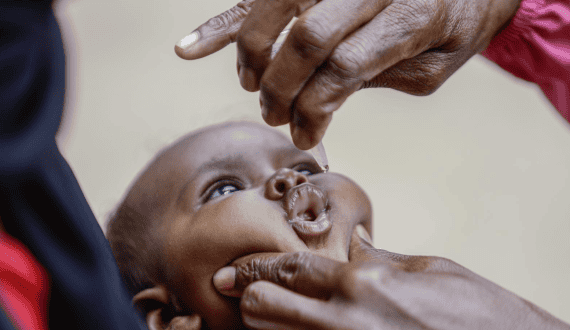
Guinea-Bissau closes 2021 variant poliovirus outbreak after GPEI review
The development marks another milestone for the West African nation, which was certified free of wild poliovirus in 2019 by the Africa Regional Commission for the Certification of Poliomyelitis Eradication.
-
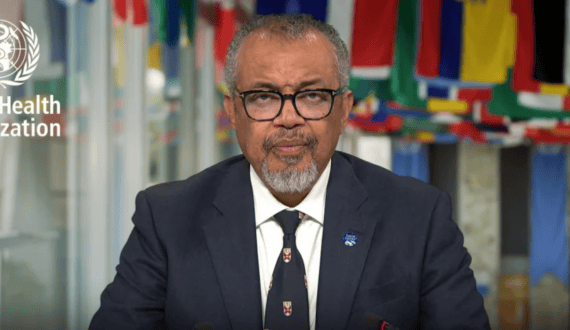
WHO declares Ebola global health emergency in DRC, Uganda
Health authorities in DRC and Uganda have already activated emergency response mechanisms, including contact tracing, case isolation, infection prevention measures, and enhanced treatment services.
-

African Union validates Continental Strategy to strengthen response to sickle cell disease
The continental framework outlines actions to expand newborn screening, early diagnosis, treatment, surveillance, financing, advocacy, local production of commodities, research, and integrated care systems.
-
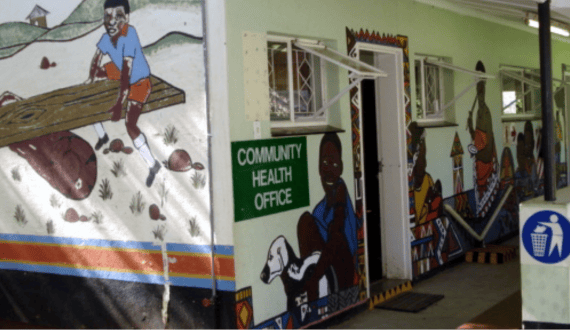
COHSASA intensifies healthcare quality drive as WHO warns 2030 SDG targets are off track
Globally, new HIV infections declined by 40% between 2010 and 2024, while the number of people requiring interventions for neglected tropical diseases dropped by 36% during the same period.
-

UAE approves MIEBO eye drop for evaporative dry eye disease
MIEBO contains the active ingredient perfluorohexyloctane and is the first prescription eye drop designed to target tear evaporation directly, one of the primary causes of dry eye disease.
-

Lesotho launches parliamentary TB caucus to strengthen fight against tuberculosis
The newly established caucus aims to strengthen political leadership, policy development, financing, and accountability in the national fight against TB.