

Hospitals
-

Moderna begins Phase 1 trial of mRNA vaccine against Bundibugyo Ebola
The Phase 1 study forms part of an expanded collaboration between Moderna and the Coalition for Epidemic Preparedness Innovations (CEPI).
-

The Pediatric Academy launches in Dubai to advance children’s healthcare education globally
Its educational programs cover pediatric dentistry, airway health, sleep-disordered breathing, oral function, early facial growth, interceptive orthodontics and myofunctional therapy.
-
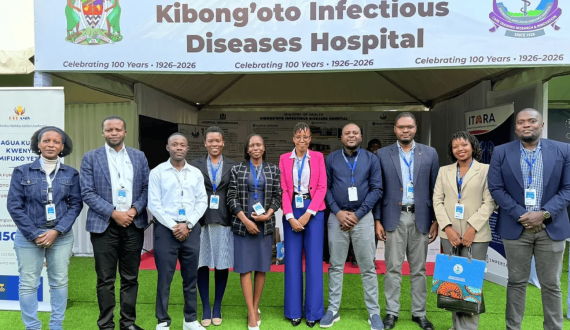
Tanzania upgrades historical Kibong’oto Hospital to Tanzania Infectious Diseases Institute
The government gazetted the new status on July 24, 2026, marking a significant step in the development of specialised infectious disease services, research and training in the country.
-
Mayo Clinic, Stanford researchers develop blood test to predict cancer immunotherapy response
The test could also help clinicians identify patients who are unlikely to benefit from immunotherapy before treatment begins, potentially allowing them to consider alternative therapies sooner.
-
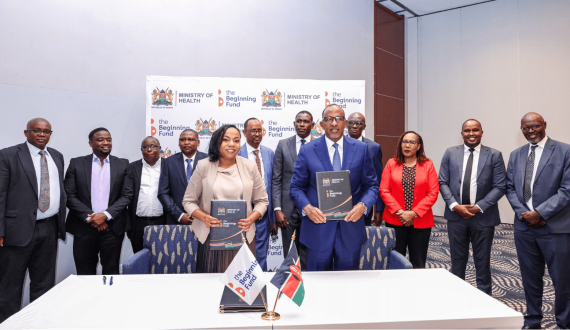
Ministry of Health signs US$80M deal with the Beginnings Fund for maternal care
The partnership will unlock KSh10.4 billion (US$80 million) over the next five years to accelerate implementation of Kenya’s Every Woman Every Newborn Everywhere (EWENE) Acceleration Plan and support the country’s 90-90-80-80 maternal and newborn health targets.
-

JOOTRH inaugurates board to guide expansion to Level 6 status
The expanded role is expected to strengthen referral services across Western Kenya and the wider East African region while reducing pressure on national referral hospitals.
-
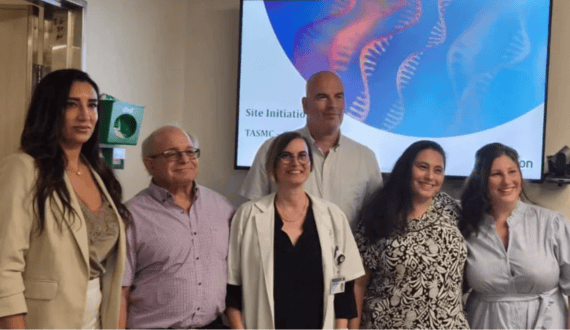
Tel Aviv Sourasky Medical Center launches first global clinical trial of Silexion’s KRAS-targeting therapy for pancreatic cancer
The clinical trial will assess SIL204, an investigational treatment developed by Silexion using small interfering RNA (siRNA) technology.
-
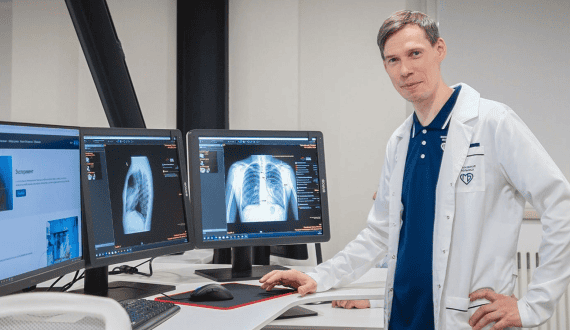
Moscow expands MosMedAI platform to scale AI radiology across 75 Russian regions
Moscow opened access to its MosMedAI platform to healthcare institutions across Russia in 2024, following a decree by Russian President Vladimir Putin.
-
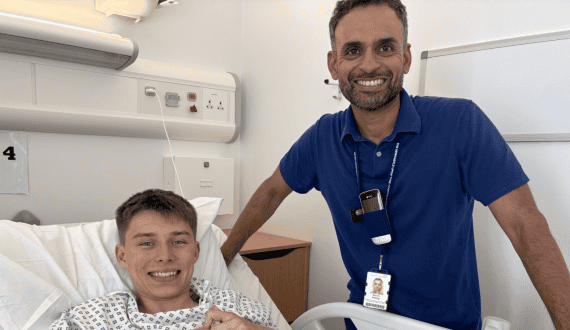
Newcastle Hospitals performs UK’s first adolescent spinal cord stimulation implantation
Dr Sachin Rastogi, consultant anaesthetist, and Akbar Hussain, consultant neurosurgeon and functional neurosurgeon, performed the procedure at the Royal Victoria Infirmary, part of the Newcastle Hospitals group.
-
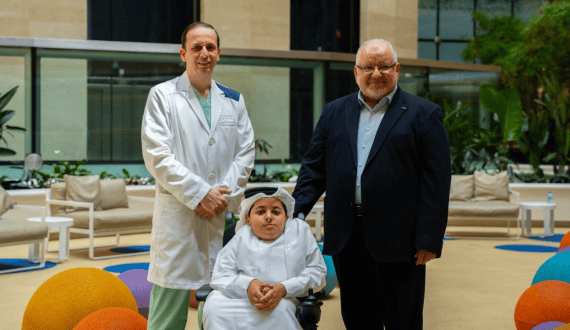
Sidra Medicine administers Novartis’ Itvisma gene therapy to Qatar’s first SMA patient
The milestone also makes Qatar the third country worldwide to administer Itvisma and marks a significant step in the country’s precision medicine and rare disease care efforts.