
Investments, Funding & Disinvestment
-
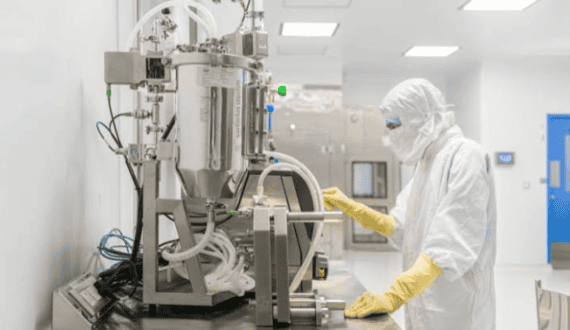
Kincell Bio and Cellipont Bioservices merge to create Kincellis Advanced Therapies
The new company combines Kincell’s expertise in immune-cell technologies with Cellipont’s experience in stem cells, induced pluripotent stem cells (iPSCs), mesenchymal stromal cells (MSCs), dendritic cells, exosomes and emerging messenger RNA (mRNA) technologies.
-
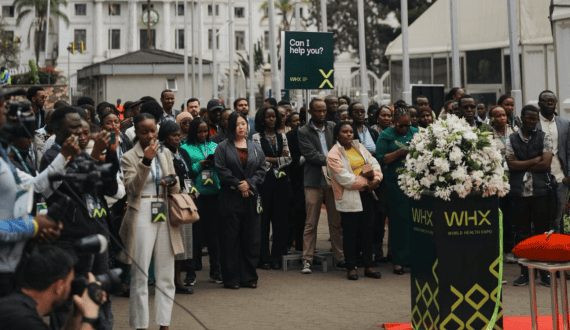
WHX Nairobi 2026 opens as Kenya pushes for stronger healthcare manufacturing
Held under the patronage of Kenya’s Ministry of Health, the three day exhibition runs until September 18 and has attracted more than 5,500 attendees and 200 exhibitors from over 30 countries.
-
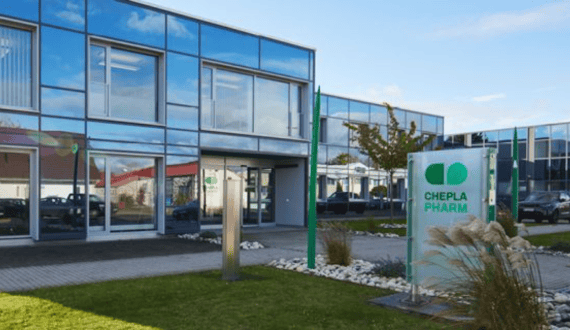
Cheplapharm expands in-house manufacturing capabilities in major Sanofi deal
The deal builds on a relationship between the companies that began in 2014, including previous transfers of mature medicines from Sanofi to Cheplapharm.
-
Ori Biotech signs US$120M cell therapy manufacturing deal as Cellares restructures
Under the new agreement, Ori will work with its partner to modernise the manufacturing process for an autologous cell therapy.
-
GSK expands oncology rebound with US$750M Chimagen licensing deal
GSK will take full global rights to the experimental TCE programme in return for an upfront payment and potential development and commercial milestone payments.
-

World Health Organization to champion global health resilience at UNGA81 in Switzerland
WHO leaders will also meet with heads of state and government, health ministers, development banks, multilateral organisations, philanthropic foundations, civil society groups and scientific institutions.
-
GSK to close German flu vaccine plant as demand for egg-based shots falls
The shift also comes as pharmaceutical companies invest in newer technologies that could change how influenza vaccines are developed and manufactured.
-
Exegenesis Bio licenses EMC181 capsid to Modalis Therapeutics for DMD gene therapy
Exegenesis Bio designed EMC181 to improve the delivery of genetic medicines to muscle tissue while limiting exposure to the liver.
-
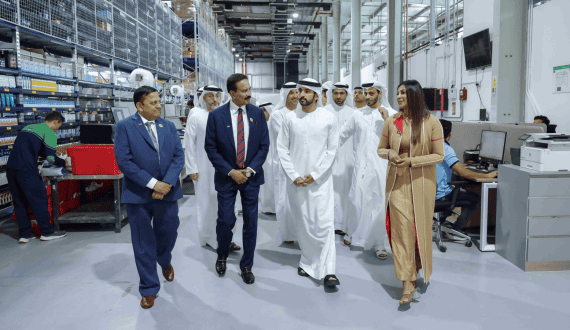
Crown Prince of Dubai inspects regional healthcare logistics hub at Aster Pharmacy
The distribution centre processes approximately 75,000 transactions each day, supporting Aster’s network of 350 pharmacies, 120 medical clinics and 15 hospitals across the UAE.
-
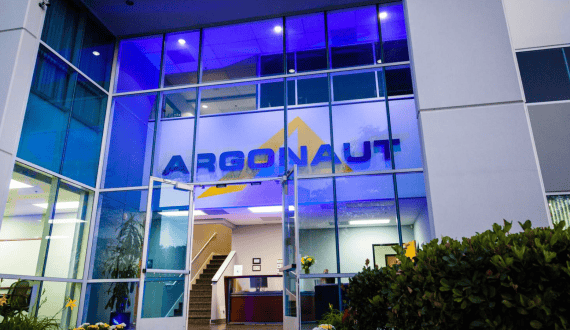
Argonaut Manufacturing Services sells LSDx Division to 1315 Capital
Following the transaction, the LSDx business will operate independently under the name Aluris Sciences.