
Investments, Funding & Disinvestment
-
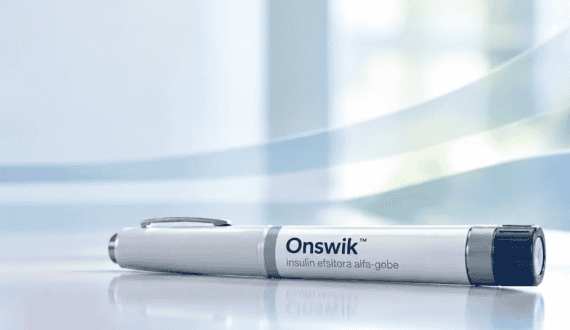
Eli Lilly gains FDA approval for Onswik once-weekly insulin in US diabetes market
The approval is based on Lilly’s QWINT Phase III clinical programme, which evaluated insulin efsitora alfa-gobe in more than 3,400 adults with T2D across four registration studies.
-

Kenya expands local pharmaceutical manufacturing at PharmaReg AfriSummit 2026
Kenya’s 2026–2030 Health Products and Technologies Local Manufacturing Strategy targets local production of at least 50 per cent of the country’s essential health products.
-

Kisumu’s Sheikh Zayed Hospital set to open OPD as JOOTRH leads joint effort
Construction was completed in 2013 at a reported cost of nearly Sh200 million (US$1.54 million) through donor funding from the UAE-based Dar Al Ber Society.
-
Novo Nordisk inks US$1.3B licensing agreement with Sweden’s Nanexa for long-acting injectables
The agreement comes as Novo continues to strengthen its position in cardiometabolic medicines, where longer dosing intervals are a growing focus of research and development.
-
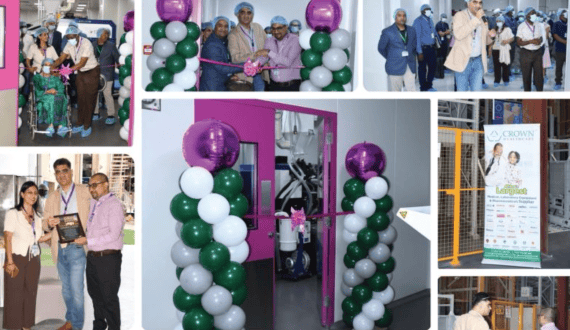
Crown Healthcare opens syringe manufacturing plant in Kenya
The facility adds domestic manufacturing capacity to the company’s operations as Kenya seeks to strengthen production of medical products within the country.
-
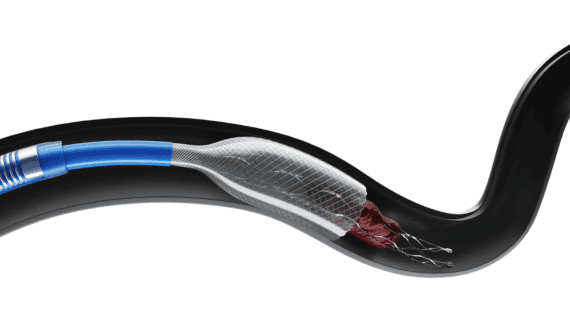
Anaconda Biomed raises US$56M to advance stroke thrombectomy portfolio
Anaconda is targeting the large vessel occlusion stroke market, where mechanical thrombectomy is used to remove blood clots from blocked cerebral arteries.
-
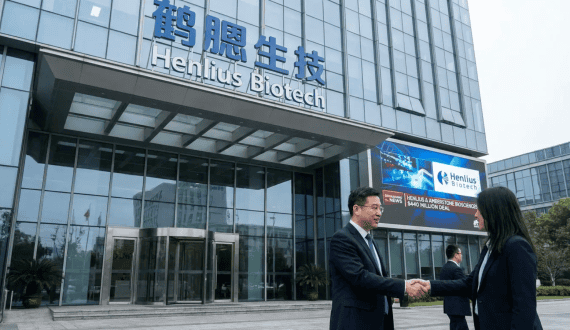
Amberstone Biosciences partners with Henlius on tumour-activated T-cell engagers
T cell engagers are designed to bring a patient’s T cells into contact with cancer cells, enabling the immune cells to attack the tumour.
-

African leaders call for stronger domestic malaria financing at UNGA 81
ALMA and Malaria No More UK estimate that a 30% reduction in malaria financing could result in 146 million additional cases, almost 400,000 additional deaths and US$37 billion in lost economic output by 2030.
-
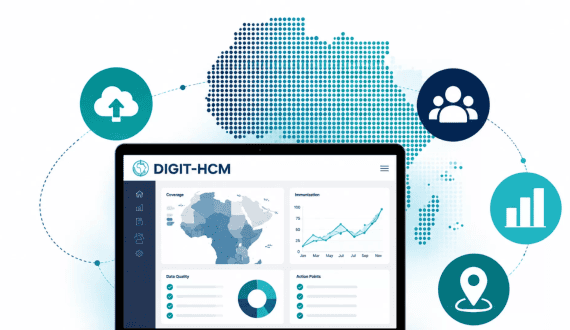
WHO introduces DIGIT platform to strengthen health campaign planning in Africa
The DIGIT platform is designed as an open and interoperable system that brings campaign planning, management and monitoring into a single interface.
-
Genentech signs US$1.5B Earendil deal to develop AI-designed bispecific antibodies
Earendil, a biotechnology company operating in the US and China, will identify and develop bispecific antibody programmes based on target combinations agreed with Genentech.