Latest News
-
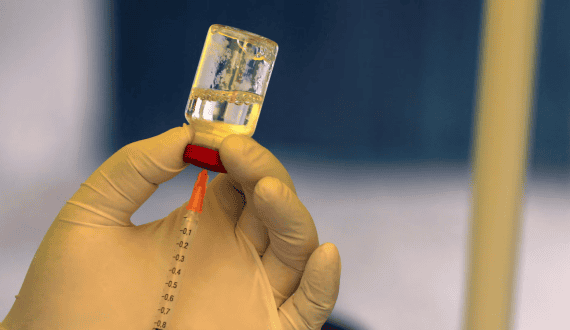
US HHS releases experimental MBP134 antibody for Ebola response in DRC
The announcement follows growing calls from public health advocates and humanitarian organizations urging the US government to share available supplies of MBP134 to support outbreak control efforts in Central Africa.
-
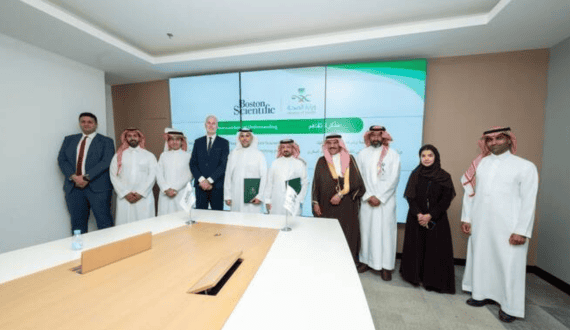
Saudi Ministry of Health collaborates with Boston Scientific on Walk Safe initiative to reduce diabetic amputations
The collaboration follows the signing of a Memorandum of Understanding and forms part of Saudi Arabia’s broader efforts to enhance preventive healthcare and improve outcomes for people living with chronic diseases.
-
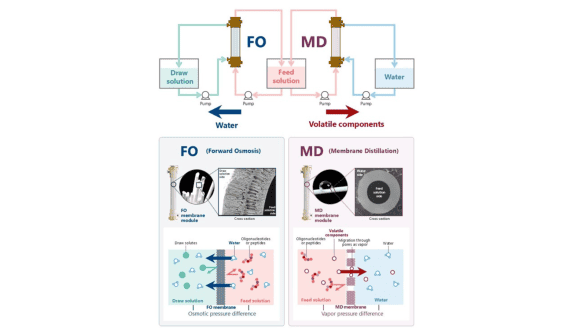
Asahi Kasei installs novel FO-MD system at Peptistar to speed up API manufacturing
The move marks an important step toward evaluating the technology for Good Manufacturing Practice (GMP)-compliant manufacturing while improving the efficiency of producing next-generation medicines.
-

Merck KGaA to acquire Bio-Techne for US$11.3B in major life sciences expansion
The acquisition is expected to strengthen Merck’s position in the rapidly growing life sciences sector, particularly in areas such as cell and gene therapy, precision diagnostics, multi-omics research, and biopharmaceutical manufacturing.
-
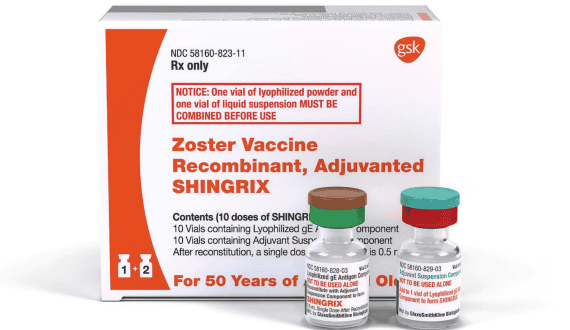
GSK launches Shingrix in South Africa following SAHPRA registration
The vaccine was registered earlier this month by the South African Health Products Regulatory Authority (SAHPRA), paving the way for large-scale importation and commercial distribution.
-

Sanner rebrands Springboard as Sanner UK in global CDMO consolidation
The move follows Sanner’s acquisition of Springboard in January 2024 and reflects the company’s goal of building a seamless, end-to-end CDMO platform spanning medical technology, pharmaceuticals, and biotechnology.
-

Kenya launches Health Products and Technologies Local Manufacturing Strategy 2026–2030
The strategy aims to enhance national health security, create jobs, promote innovation, and improve access to quality and affordable healthcare commodities while reducing the country’s reliance on imports.
-
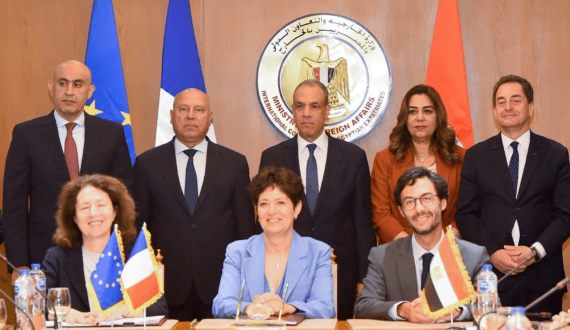
Egypt secures US$348M EU-AFD financing to expand universal health insurance
The healthcare package forms part of a broader set of cooperation agreements covering education, green industry, vocational training, and support for small and medium-sized enterprises.
-
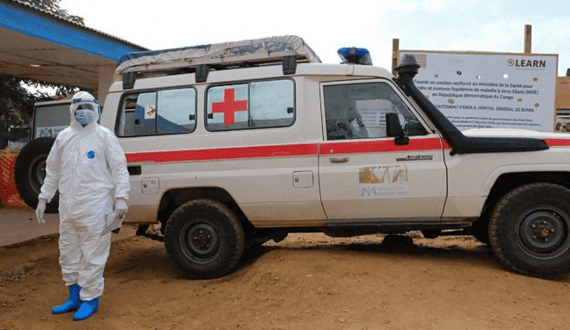
Japan pledges US$3.5M emergency grant for Ebola containment in DRC, Uganda
Japan will channel the support through the International Federation of Red Cross and Red Crescent Societies (IFRC), the World Food Programme (WFP), and the United Nations Children’s Fund (UNICEF).
-

Moscow expands medical AI standards as digital healthcare adoption accelerates in Russia
Moscow researchers developed a series of national standards, known as GOST standards, covering the creation, testing, and clinical use of AI technologies.