
Pharmaceutical Companies
-
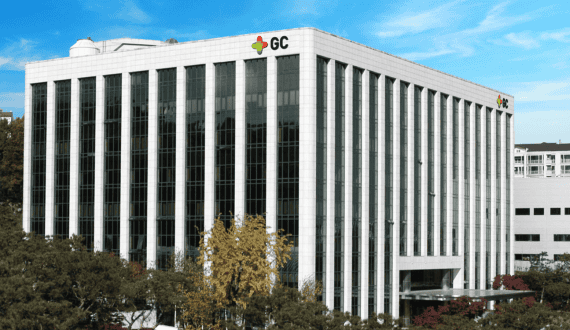
GC Biopharma expands Asian footprint with Hunter Syndrome approvals in India, Taiwan
The company said India’s Central Drugs Standard Control Organisation (CDSCO) approved the intravenous (IV) formulation, while Taiwan’s Food and Drug Administration (TFDA) approved both Hunterase IV and Hunterase ICV.
-
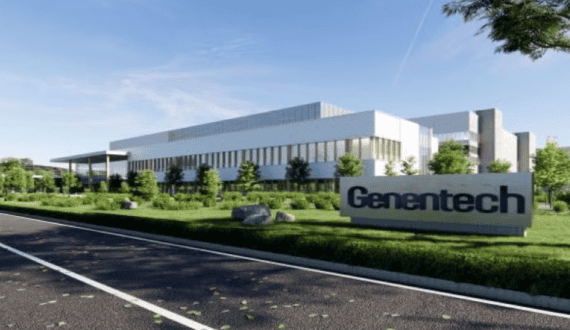
Roche to invest US$750M in new injectable manufacturing facility in Oregon
Construction of the Hillsboro facility is expected to create about 200 jobs, with workers remaining on site through the project’s anticipated completion in 2031.
-
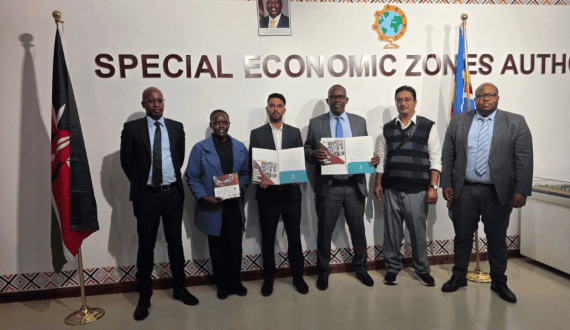
Biopharma to establish pharmaceutical manufacturing operations at Naivasha SEZ
The investment at Naivasha SEZ is expected to contribute to technology transfer, skills development and job creation while strengthening Kenya’s pharmaceutical manufacturing capacity.
-
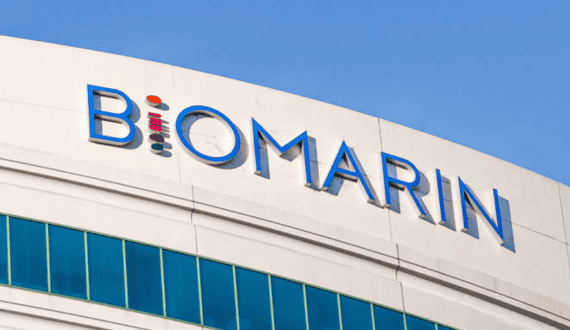
BioMarin to acquire Alesta Therapeutics for US$490M to secure HPP drug candidate
The deal will give BioMarin access to ALE1, Alesta’s lead clinical-stage candidate for hypophosphatasia (HPP), a rare genetic bone disorder.
-

Andelyn Biosciences to manufacture AAV9-GM2 gene therapy for GM2 gangliosidoses
GM2 gangliosidoses are a group of rare inherited disorders that cause the progressive loss of nerve cells in the brain and spinal cord.
-
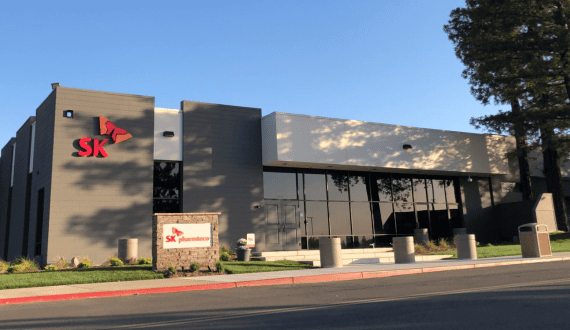
SK Pharmteco opens two new manufacturing facilities at Swords Campus in Ireland
This expansion enhances its capability to produce high-potency active pharmaceutical ingredients (HPAPIs), antibody-drug conjugate (ADC) payloads, and commercial small-molecule APIs.
-
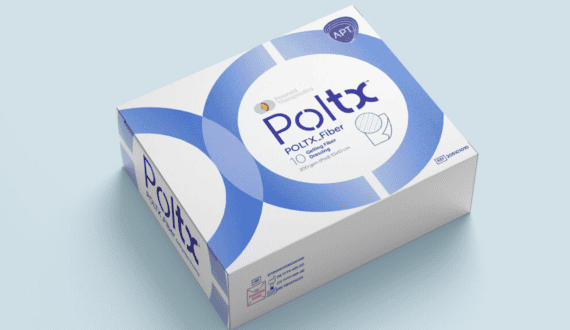
Polaroid Therapeutics secures MHRA approval for POLTX_Fibers™ wound dressing
Polaroid Therapeutics designed POLTX_Fibers™ to help reduce infection risk while supporting wound healing at the point of care.
-
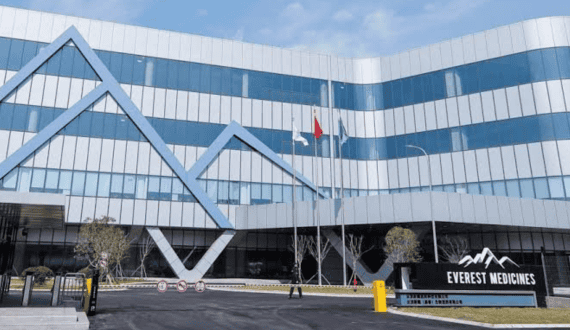
Everest Medicines reports 157% H1 2026 revenue surge to US$161.7M
The company recorded non-IFRS net profit of RMB 97.23 million (US$13.7 million), while its IFRS net loss narrowed 98% year-on-year. Everest ended the period with RMB 1.859 billion (US$261.8 million) in cash.
-
LEO Pharma to acquire Tanabe’s Dersimelagon for rare photosensitivity disorders
Under the agreement, LEO will pay up to US$435 million in upfront and near-term milestone payments for global rights to dersimelagon.
-
Sandoz expands commercialization pipeline to 39 assets through US$322M Henlius partnership
Under the milestone-based agreement, Sandoz could pay Henlius up to US$322 million, including near-term payments of up to US$100.5 million linked to the initial assets.