Pharmaceutical Companies
-
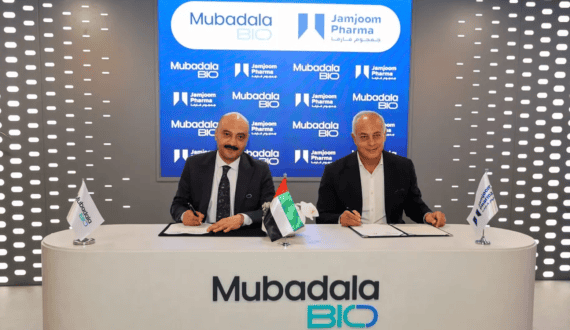
Jamjoom Pharma partners with Bioventure Healthcare to commercialize Ustekinumab in UAE
Ustekinumab is a monoclonal antibody used to treat certain immune-mediated inflammatory conditions, including plaque psoriasis, psoriatic arthritis, Crohn’s disease and ulcerative colitis.
-
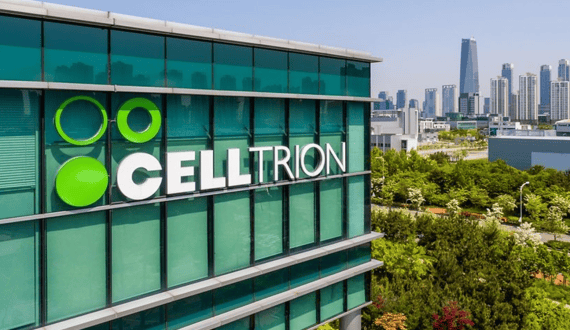
Celltrion secures global rights to Kaigene’s kidney disease antibody in US$580M deal
Kaigene is developing the antibody for long-acting subcutaneous administration to maintain target inhibition over extended intervals and reduce treatment frequency.
-
Gilead strikes US$1.28B PepStar deal in China for oral inflammation drug
Gilead is exploring HCXT-2001 as a potential oral treatment that could complement its existing inflammation portfolio, which includes programmes targeting IBD, type 2 inflammatory diseases, lupus and B cell-mediated autoimmune conditions.
-
Labcorp expands US cancer diagnostics portfolio with US$872M BioReference deal
Under the agreement, Labcorp will pay US$722 million in cash upfront for BioReference’s clinical and women’s health testing businesses, urology services, corrections testing operations and related assets.
-
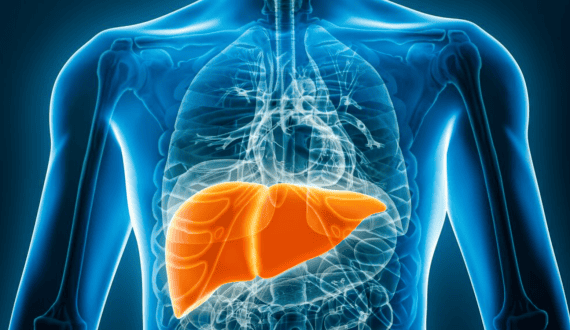
SeaBeLife secures US$3.26M to advance acute liver disease drug in France
The programme includes a Phase I trial in healthy volunteers, followed by a Phase Ib trial in hospitalised patients with acute liver injury, acute liver failure or acute-on-chronic liver failure.
-
Merck KGaA agrees to acquire Silence Therapeutics for US$1.3B to expand RNA medicines portfolio
The acquisition gives Merck access to divesiran, an investigational small interfering RNA (siRNA) therapy for polycythemia vera (PV), a rare blood cancer characterised by excessive red blood cell production.
-
Gilead strikes US$1.9B deal with Vir to develop solid tumour cancer therapies
Vir could also receive up to US$45 million in near-term preclinical milestone payments and up to US$1.74 billion in potential development, regulatory, and commercial milestones.
-
Zealand Pharma partners with Generate Biomedicines in US$1.2B protein drug development deal
The agreement also includes US$35 million in preclinical milestone payments, with additional development and commercial milestones bringing the total potential deal value to nearly US$1.2 billion.
-
Pfizer inks US$500M licensing deal with Enodia Therapeutics for Sec61 inhibitors
Pfizer will assume responsibility for subsequent clinical development, manufacturing, regulatory submissions and commercialisation after the discovery phase.
-
OrbiMed raises US$3B across two funds to back global life sciences companies
The firm secured capital from a broad investor base, including medical institutions, pension funds, family offices, sovereign wealth funds and university endowments.