
Pharmaceutical Companies
-
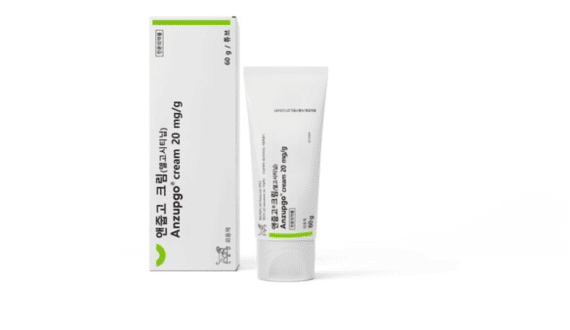
LEO Pharma seeks EU label expansion for Anzupgo in adolescents with chronic hand eczema
The proposed expansion would allow its use in adolescents aged 12 to 17 years with moderate to severe chronic hand eczema (CHE) when topical corticosteroids are inadequate or inappropriate.
-

SK Biopharmaceuticals adds Parkinson’s disease drug to pipeline in US$315M deal
Under the agreement, 1ST Biotherapeutics will receive US$1.8 million upfront and an additional US$1.8 million payment in the near term.
-
Roche strikes US$1B bispecific antibody discovery deal with Dualitas Therapeutics
Roche will take responsibility for subsequent development activities, including preclinical research, and oversee the programmes as they progress towards potential commercialisation.
-
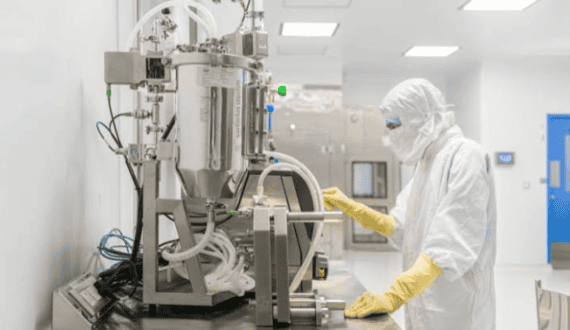
Kincell Bio and Cellipont Bioservices merge to create Kincellis Advanced Therapies
The new company combines Kincell’s expertise in immune-cell technologies with Cellipont’s experience in stem cells, induced pluripotent stem cells (iPSCs), mesenchymal stromal cells (MSCs), dendritic cells, exosomes and emerging messenger RNA (mRNA) technologies.
-
Cheplapharm expands in-house manufacturing capabilities in major Sanofi deal
The deal builds on a relationship between the companies that began in 2014, including previous transfers of mature medicines from Sanofi to Cheplapharm.
-
Ori Biotech signs US$120M cell therapy manufacturing deal as Cellares restructures
Under the new agreement, Ori will work with its partner to modernise the manufacturing process for an autologous cell therapy.
-
Eli Lilly bets on Canadian biotech QurCan in genetic medicine delivery deal
QurCan will focus on developing and optimising genetic therapeutics using its delivery technology, while Lilly will take responsibility for advancing selected candidates through subsequent development stages.
-
Gilead expands global Lenacapavir reach through strategic PAHO partnership
The partnership complements existing mechanisms for supplying generic versions of lenacapavir and aims to address gaps in HIV prevention across the region.
-
Curium enters radioligand therapy market with FDA approval of Bexlutry
Developed by Curium, Bexlutry is a lutetium-177 dotatate injection that references Novartis’ Lutathera, which is approved to treat gastroenteropancreatic neuroendocrine tumors (GEP NETs).
-
GSK expands oncology rebound with US$750M Chimagen licensing deal
GSK will take full global rights to the experimental TCE programme in return for an upfront payment and potential development and commercial milestone payments.