

World News
-
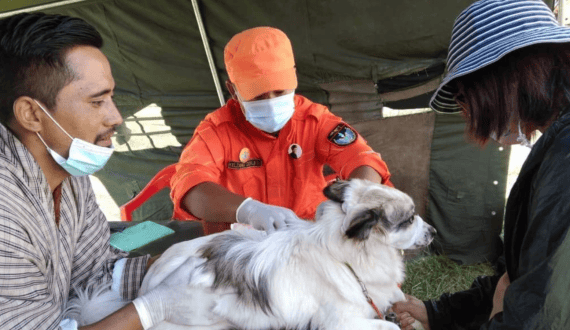
WHO validates Bhutan’s elimination of dog-transmitted rabies as public health problem
Bhutan’s achievement follows more than a decade of investment in a One Health approach, which recognizes the close links between human, animal and environmental health.
-
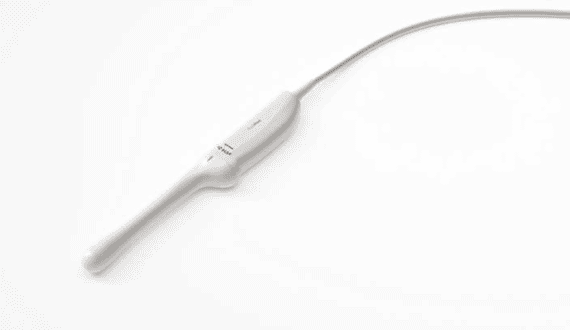
Philips introduces new transvaginal ultrasound transducer to advance women’s health imaging
Designed specifically for obstetric and gynecological imaging, the eV14-2v uses Philips’ PureWave crystal technology and an ergonomic design intended to support clinician comfort.
-
Novartis signs US$3.22B Alteogen agreement for subcutaneous drug development
The partnership expands the use of ALT B4, a proprietary recombinant human hyaluronidase developed through Alteogen’s Hybrozyme platform.
-
GSK pays US$110M upfront for HUTCHMED’s KRAS cancer therapy
The deal also includes up to US$1.185 billion in development, regulatory and commercial milestone payments, bringing its potential total value to US$1.295 billion.
-

Ono Pharmaceutical partners with Aitia to advance causal AI in neurological drug discovery
The approach is intended to support drug discovery in neurology, where diseases often arise from complex interactions involving genetic, developmental, neural network, immune and environmental factors.
-

Sanner Group names Jean Edouard Rabier as Chief Business Development Officer
The appointment of Rabier is intended to help Sanner maximize these expanded capabilities by developing new markets, strengthening relationships with customers, and supporting the company’s international growth strategy.
-
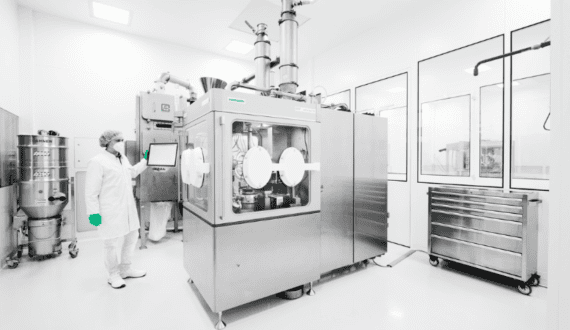
Syntegon opens new OSD customer center in Germany to support pharmaceutical manufacturinG
The facility replaces the company’s former OSD Customer Center in nearby Waiblingen and brings laboratories, production equipment and manufacturing facilities closer together.
-
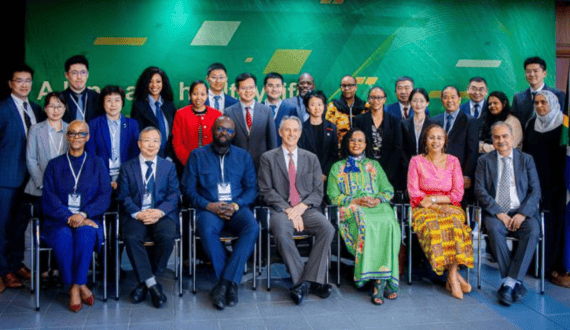
UNAIDS, SADC, and GHII partner with China to boost pharmaceutical manufacturing in Southern Africa
The partnership, developed through sustained engagement led by UNAIDS, is being advanced this week through a SADC-China strategic exchange taking place from 31 August to 4 September 2026 in Johannesburg, Durban and Cape Town.
-
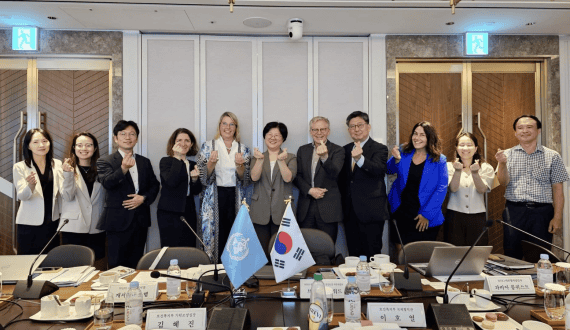
World Health Organization taps South Korean regulatory expertise to strengthen global workforce capacity
Through the new collaborating centre, WHO will expand access to structured, competency-based regulatory training and support the development of a stronger workforce capable of regulating medicines and vaccines.
-
Vertex completes US$10B Crinetics acquisition to expand endocrine disease portfolio
The acquisition adds rare endocrine diseases as a new growth area alongside Vertex’s existing focus on cystic fibrosis, hematology, acute pain and renal disease.