
World News
-
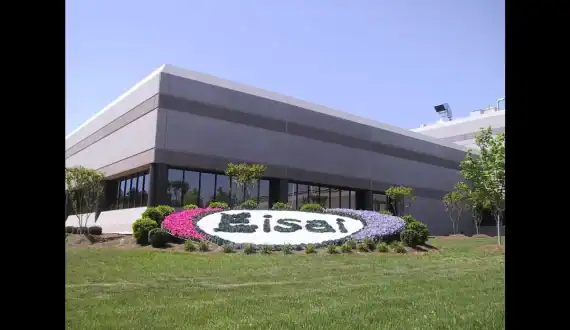
Eisai announces US$64.5M manufacturing expansion at Hatfield hub with UK Government LSIMF grant support
The Hatfield facility, located north of London, will undergo a phased upgrade that will significantly expand its manufacturing, packaging and distribution capabilities.
-
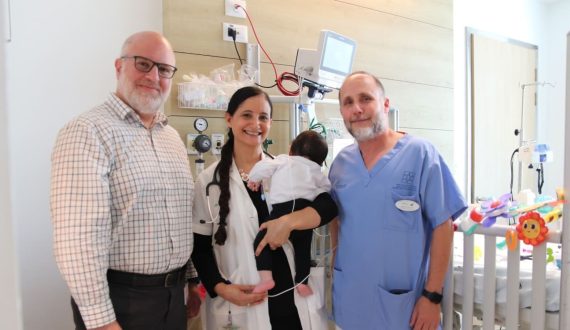
Schneider Children’s Medical Center administers world’s first WWOX gene therapy for rare epilepsy
The therapy builds on long-standing research led by Prof. Rami Aqeilan of the Hebrew University of Jerusalem, who helped uncover the critical role of the WWOX gene in brain development.
-
Incyte buys Vega Therapeutics for US$2B to boost rare bleeding disorder pipeline
The agreement includes an upfront payment of US$1.25 billion, with additional milestone-based payments of up to US$750 million tied to future sales performance.
-
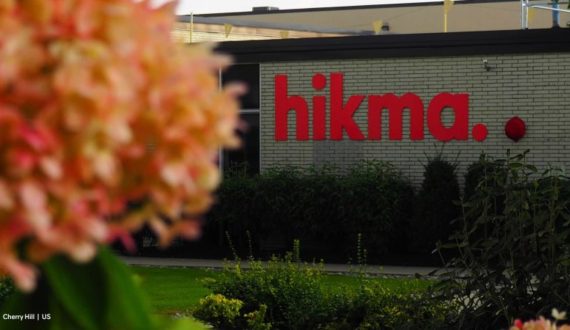
Hikma Pharmaceuticals announces US$267M manufacturing expansion across Ohio
The company has invested nearly US$5 billion in the United States over the past 15 years, expanding its manufacturing, research, development, and distribution infrastructure.
-
Johnson & Johnson to acquire Firefly Bio for US$1B to advance KRAS-targeted cancer treatments
The deal integrates Firefly Bio’s experimental Firelink degrader-antibody conjugate platform into J&J’s oncology research and development portfolio, marking a significant step in its long-term strategy to enhance targeted drug delivery systems.
-
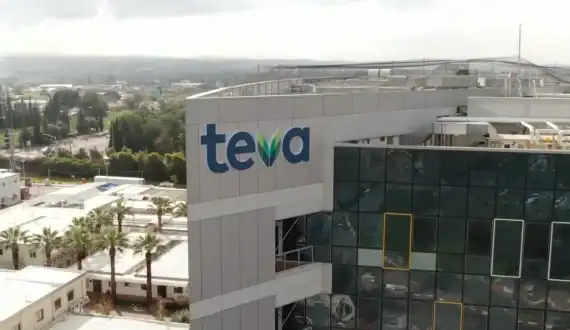
Teva announces 250 layoffs at Israel plant after failed sale
The move comes as Teva advances plans to divest its API unit, Teva Active Pharmaceutical Ingredients (TAPI), a process first announced in January 2024.
-

GSK strikes US$10.6B Nuvalent deal to strengthen lung cancer pipeline
The acquisition comes as GSK intensifies its shift toward oncology to offset expected revenue pressure from upcoming patent expirations in its HIV franchise.
-
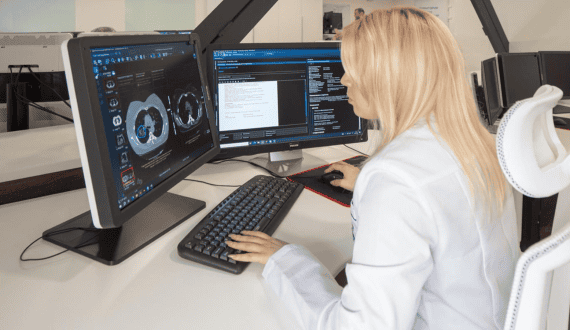
Moscow introduces AI Radiology Training Manuals to enhance medical imaging education
The publications aim to support the growing integration of AI into medical imaging and to strengthen clinicians’ ability to use these technologies safely and effectively in everyday practice.
-
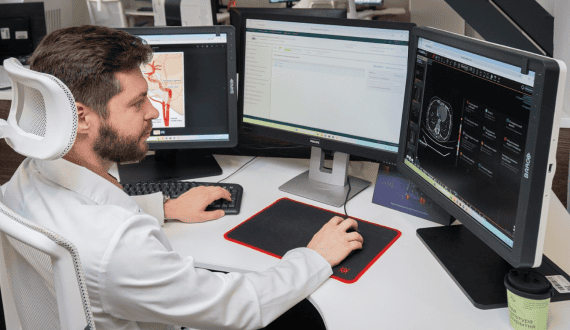
Moscow’s MosMedAI launches 18th medical AI tool to automate scoliosis detection
The newly introduced AI algorithm performs measurements that radiologists previously conducted manually, significantly reducing interpretation time and improving consistency in diagnosis.
-

Eli Lilly signs US$1.26B deal with Hanmi for long-acting GLP-2 intestinal therapy
Under the agreement, Lilly will obtain exclusive worldwide rights, excluding South Korea, to develop, manufacture, and commercialise sonefpeglutide, a long-acting GLP-2 analogue.