Egypt builds massive US$240M Vaccine City to end import dependence
The project includes a specialised training academy designed to develop advanced skills in biotechnology, quality control, and vaccine production, ensuring a steady pipeline of qualified personnel to support long-term operations and sector growth.
Published
EGYPT—Egypt is accelerating development of its Vaccine City and Biotechnology project in Ismailia Governorate, with expected investments reaching EGP 12bn (US$240m) by 2030, according to Minister of Health and Population Khaled Abdel Ghaffar.
He said the initiative brings together government institutions, local investors, and international partners to build a strong and self-reliant biotechnology ecosystem.
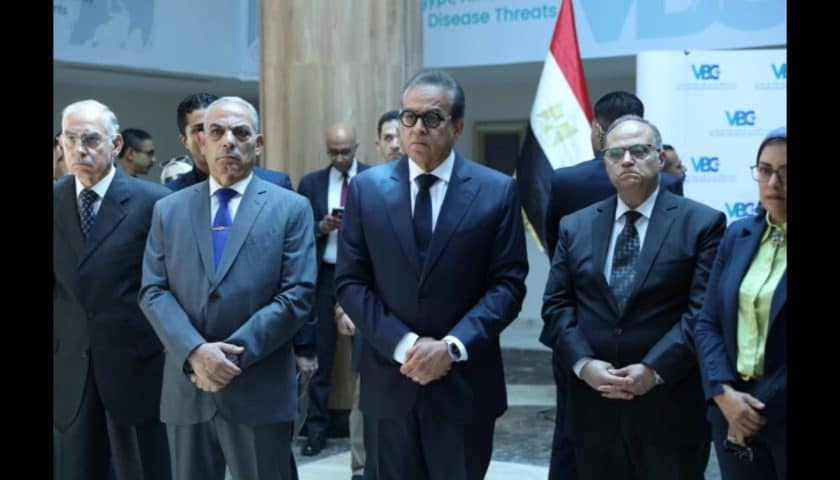
During his visit to the site, he added that the project aligns with Egypt’s broader strategy to strengthen health security, expand local manufacturing capacity, and reduce dependence on imported medical products.
National security and industrial growth
Abdel Ghaffar described the initiative as a matter of national security, noting that it supports Egypt’s ambition to position itself as a regional hub for vaccine production serving Africa and the Middle East.
He further said the project contributes directly to Egypt Vision 2030 by reinforcing pharmaceutical manufacturing, encouraging innovation, and deepening research-driven industrial development across the health sector.
Jobs creation and skills development
The minister stated that Vaccine City is expected to create around 1,500 jobs for trained Egyptian professionals across different technical and scientific fields.
In addition, the project includes a specialised training academy designed to develop advanced skills in biotechnology, quality control, and vaccine production, ensuring a steady pipeline of qualified personnel to support long-term operations and sector growth.
Cold-chain systems and infrastructure
He also highlighted the facility’s integrated cold-chain network, which includes advanced storage systems built to meet international standards for vaccine handling and preservation.
These systems help maintain strategic vaccine reserves and strengthen national preparedness for epidemics, outbreaks, and other public health emergencies.
The site further integrates solar and other renewable energy sources, supporting its broader sustainability plan while reducing operational emissions and improving energy efficiency across production and storage facilities.
One Health Approach and production model
According to Abdel Ghaffar, the project applies a One Health framework by integrating the production of human and veterinary vaccines within the same complex.
This approach improves coordination in addressing diseases that transmit between animals and humans while enhancing efficiency in research, production, and distribution processes across both sectors.
Site visit and operational capacity
During the inspection, Ismailia Governor Nabil Hasballah described the initiative as a major national milestone reflecting Egypt’s growing capacity in biotechnology and advanced manufacturing.
Meanwhile, Vaccine City Chief Executive Officer Magdy El-Sayed presented ongoing expansion plans and implementation progress, stressing coordination among stakeholders to maintain delivery timelines.
Delegates toured the training academy, central filling facilities, and three production lines with a combined annual capacity of 140 million vaccine doses, alongside utility buildings, power stations, water treatment units, and 9,000-square-meter cold-storage complexes.
Industrial positioning and expansion
The project continues to support Egypt’s wider efforts to localise strategic industries and expand pharmaceutical and biotechnology manufacturing capabilities, while strengthening the country’s position as a growing centre for healthcare innovation and vaccine production across the region.
Sign up HEREto receive our email newsletters with the latest news and insights from Africa and around the world, and follow us on LinkedInfor updates.



Be the first to leave a comment