

Nigeria PMC Effect Study confirms 22% reduction in infant malaria cases in Osun State
During the first phase of the study, conducted in Osun State from 2023 to 2025, children who received PMC experienced a 22% reduction in confirmed malaria cases. Overall health facility visits for illness also fell by 19%.
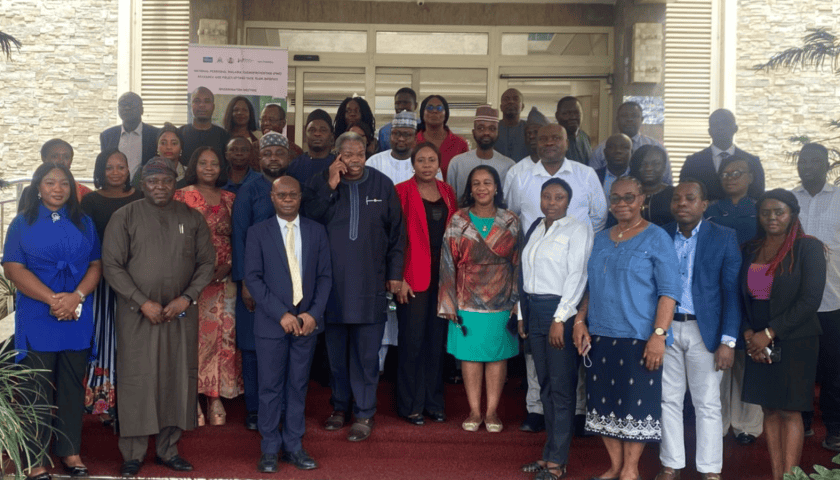
NIGERIA—Nigeria has strengthened the case for adopting perennial malaria chemoprevention (PMC) after researchers, government officials and development partners reviewed findings from the PMC Effect Study at a national dissemination meeting in Abuja on August 5, 2026.
The study found that PMC can substantially reduce malaria among children younger than two years while using Nigeria’s existing primary healthcare infrastructure.
The evidence could help policymakers assess how the intervention fits within the country’s broader malaria prevention strategy.
The meeting also provided stakeholders with an opportunity to examine implementation evidence, discuss operational requirements, and consider how routine services could support sustainable delivery at scale across Nigeria.
Study shows reduced malaria cases
During the first phase of the study in Osun State, conducted between 2023 and 2025, children who received PMC recorded a 22% reduction in confirmed malaria cases. In addition, health facility visits for illness declined by 19%.
Children who received sulfadoxine-pyrimethamine (SP), the antimalarial medicine used in the PMC programme, had more than 50% protection against malaria infection during the 28 days following treatment.
The protection was greater among children who also used insecticide-treated nets, highlighting the potential benefits of combining preventive interventions.
The study also found that repeated monthly doses of SP were safe for young children and produced no serious adverse drug reactions.
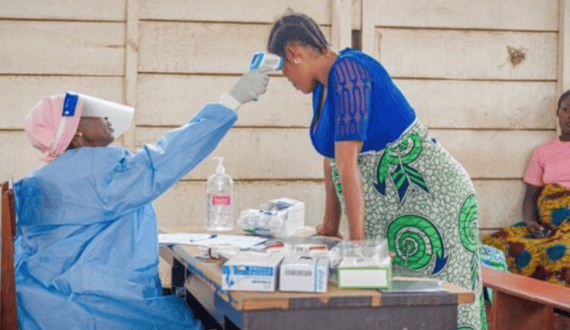
Furthermore, cost and operational assessments showed that health workers could deliver PMC through routine immunisation services at an affordable cost, avoiding the need to establish separate delivery systems.
Potential for wider roll-out
Mathematical modelling suggests that expanding PMC to eligible areas in southern Nigeria between 2026 and 2030 could reduce clinical malaria cases among children aged two to 18 months by 20% to 35%.
Such an expansion could prevent tens of thousands of malaria episodes and contribute to improved child survival.
Dr Iziaq Adekunle Salako, Nigeria’s Minister of State for Health and Social Welfare, described the meeting as an important step towards developing innovative, data-driven approaches to malaria elimination.
He said the findings would help guide decisions on adapting and adopting the intervention within local settings.
Dr Oslusola Oresanya, Senior Technical Advisor for Implementation at Malaria Consortium, said the study represented an important milestone in Nigeria’s efforts to support evidence-based malaria programmes and protect communities from preventable diseases.
Next phase to begin in November
The PMC-Effect Scale-up study is scheduled to begin in November.
It will expand PMC to the rest of Osun State while examining the factors that support effective implementation at different levels of the health system.
The findings will also provide lessons that could inform scale-up in other settings with similar health systems.
Malaria Consortium implemented the PMC Effect Study with funding from the Gates Foundation, in collaboration with Nigeria’s Federal Ministry of Health and Social Welfare, National Malaria Elimination Programme, National Primary Health Care Development Agency, National Agency for Food and Drug Administration and Control, Nigerian Institute of Medical Research, London School of Hygiene & Tropical Medicine and Northwestern University.

Be the first to leave a comment