Ethiopia strengthens medical device regulation through WHO-supported assessment
The assessment, conducted from July 27–31, 2026, evaluated the country’s regulatory strengths and gaps and will support updates to EFDA’s Institutional Development Plan.
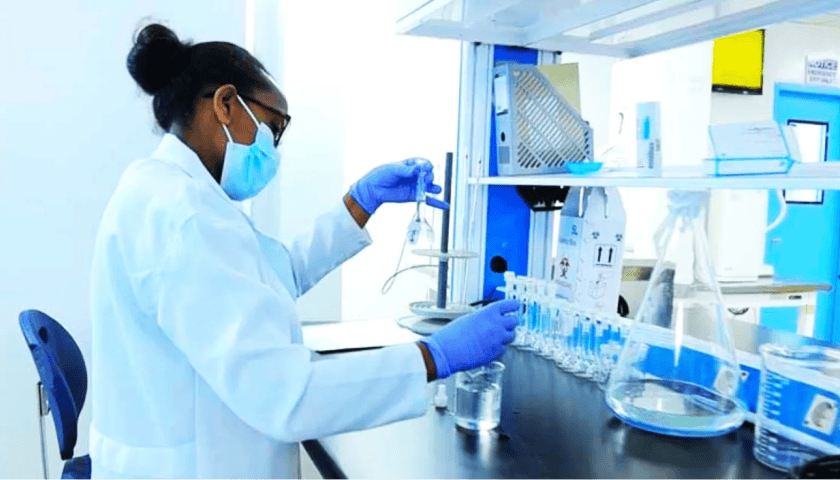
ETHIOPIA—The Ethiopian Food and Drug Authority (EFDA), with technical support from the World Health Organization (WHO), has completed an assisted self-benchmarking exercise to assess Ethiopia’s national regulatory system for medical devices, including in vitro diagnostics (IVDs).
The assessment, conducted from July 27 to 31, 2026, evaluated the country’s regulatory strengths and gaps and will support updates to EFDA’s Institutional Development Plan.
It also provides a foundation for strengthening oversight, advancing regulatory harmonization and work-sharing, supporting local manufacturing, and improving opportunities for manufacturers to access export markets.
Assessment of regulatory capacity
The exercise used the WHO Global Benchmarking Tool Plus Medical Devices (GBT+MD), which assesses regulatory systems against more than 250 indicators.
WHO describes assisted self-benchmarking as a preparatory assessment that helps countries identify areas for improvement before formal benchmarking.
Unlike formal benchmarking, WHO does not independently determine a country’s regulatory maturity level during the assisted exercise.
Opening the assessment, Professor Francis Kasolo, WHO Representative to Ethiopia, the African Union, and the United Nations Economic Commission for Africa, said effective regulatory systems protect patients while creating an environment that supports innovation, local manufacturing and economic development.
Agnes Sitta Kijo, a technical officer with WHO’s Regulatory Systems Strengthening team, said the assessment examined seven key regulatory functions.
These included national regulatory systems; registration and marketing authorization; post-market surveillance; market surveillance and control; licensing of establishments; regulatory inspections and laboratory testing; and clinical trial oversight.
WHO supports EFDA review
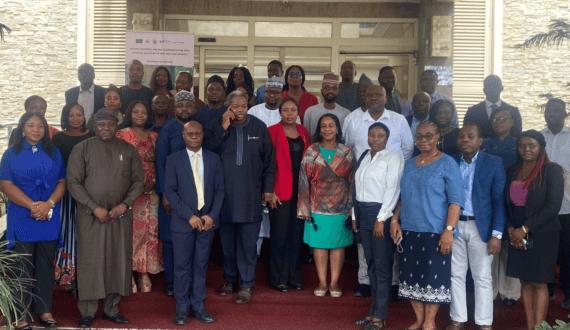
Throughout the five-day exercise, EFDA staff assessed the national regulatory system against the GBT+MD indicators, while WHO experts provided technical guidance and helped verify the findings.
At the end of the assessment, EFDA and WHO reviewed the results and agreed on an updated Institutional Development Plan and a roadmap toward formal WHO benchmarking.
Ethiopia previously achieved WHO Maturity Level 3 for the regulation of medicines and vaccines as a non-producing country in 2025.
EFDA Director General Heran Gerba said the institutional experience and regulatory capacity developed during that process had positioned the authority to apply a similar approach to medical devices.
Focus on medical device safety
Medical devices, ranging from diagnostic tests and thermometers to surgical equipment, play a central role in disease prevention, diagnosis, treatment and patient monitoring.
WHO estimates that about 2 million different types of medical devices are available globally, making effective regulatory oversight essential to ensuring their safety, quality and performance.
Professor Kasolo reaffirmed WHO’s commitment to supporting Ethiopia as it strengthens regulation of medical devices and other health products.
The support also covers areas such as vaccines and blood and blood products, with the aim of improving access to safe, effective and quality-assured health products.
Be the first to leave a comment