
Egypt
-

Pharco Pharmaceuticals launches “Vision for All” to combat glaucoma in Egypt
The program focuses on early detection of eye diseases, with particular emphasis on glaucoma, while also supporting medical outreach through specialized convoys deployed in underserved communities.
-

Egypt’s FRA grants temporary licenses to six healthcare TPAs under a new insurance law
Under the new law, TPAs must register in a special official registry and can only operate within the activities approved under that registration.
-

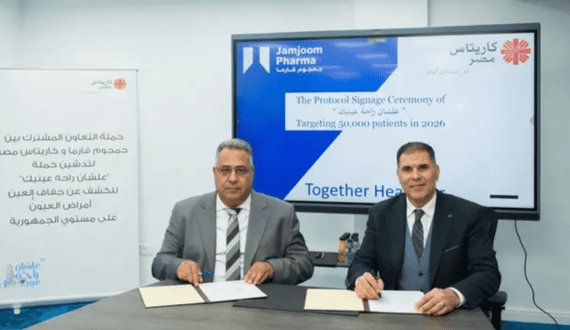
Jamjoom Pharma collaborates with Caritas Egypt to launch nationwide eye health screening initiative
Under the agreement, both organizations will conduct a series of early screening campaigns across Caritas Egypt’s network of branches.
-

Upwyde Developments collaborates with Vezeeta to launch an integrated medical complex in New Cairo
The partnership reflects Upwyde Developments’ vision of creating smart, mixed-use destinations that integrate residential, commercial, administrative, and medical services in one location.
-
Egypt’s medical supplies sector pushes for procurement price reforms amid rising costs
Suppliers delivering goods for Egypt’s strategic stockpile will now receive payments within 30 to 45 days, compared to the previous 120-day period.
-

Alameda Healthcare to operate EAEA’s oncology unit in a USD9 million Nasr City partnership
The partnership leverages the EAEA’s scientific expertise with Alameda Healthcare’s clinical and operational capabilities to create a sustainable, patient-centered treatment hub.
-

Egypt establishes Vaccine City to become Africa’s pharmaceutical manufacturing hub
The government has set a bold target: by 2030, Egypt will manufacture 140 million human vaccine doses per year.
-

Haleon establishes Pharmacy Partners Club in Egypt to enhance healthcare professional development
The initiative recognizes that pharmacists serve as critical figures in healthcare, often representing the first and most accessible point of contact for millions of Egyptians seeking guidance on everyday health concerns.
-

MIDAR partners with Gruppo GKSD to build new medical complex in Cairo
The facility will include hospitals with a total of 500 beds, a medical faculty designed to educate approximately 5,000 students, and a dedicated research and training centre.
-

Egypt strengthens pharmaceutical research partnership with Takeda to boost healthcare innovation
The meeting represents part of the Egyptian Drug Authority’s ongoing efforts to engage with leading international pharmaceutical companies and promote strategic partnerships that support industry development.