
USA
-
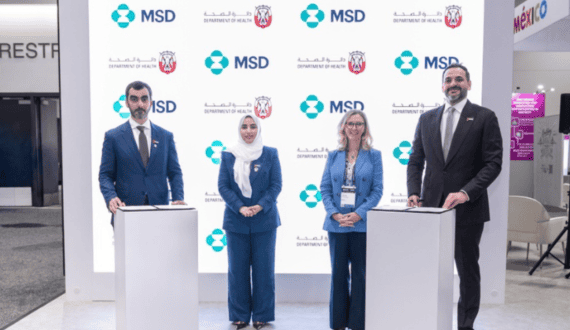
DOH Abu Dhabi collaborates with MSD to build regional logistics hub in HELM cluster
Through the HELM Cluster, the emirate has brought together research institutions, advanced healthcare infrastructure, genomics programs, manufacturing capabilities, and distribution networks within a single ecosystem.
-
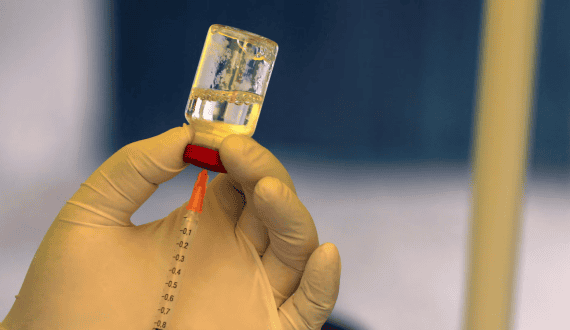
US HHS releases experimental MBP134 antibody for Ebola response in DRC
The announcement follows growing calls from public health advocates and humanitarian organizations urging the US government to share available supplies of MBP134 to support outbreak control efforts in Central Africa.
-
Merck KGaA to acquire Bio-Techne for US$11.3B in major life sciences expansion
The acquisition is expected to strengthen Merck’s position in the rapidly growing life sciences sector, particularly in areas such as cell and gene therapy, precision diagnostics, multi-omics research, and biopharmaceutical manufacturing.
-
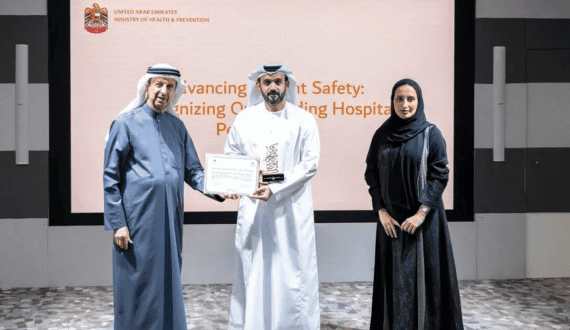
SKMCA Ajman secures Level 4 PSFHI accreditation in UAE
Evaluators examined how the hospital manages patient care across multiple departments, including safety protocols, infection control, medication handling, and continuous quality improvement processes.
-
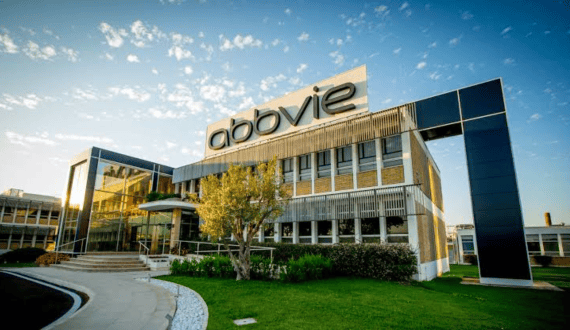
AbbVie solidifies immunology dominance with US$10.9B cash acquisition of Apogee
The acquisition ranks among AbbVie’s largest transactions in recent years and reflects the company’s strategy to expand its next-generation immunology medicines as competition intensifies across the sector.
-
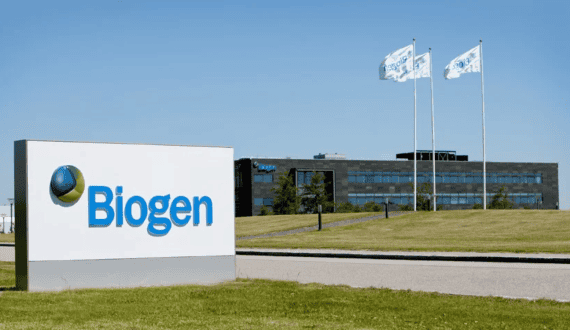
Biogen expands immunology footprint with US$1B acquisition of RayThera
Under the agreement, Biogen will integrate RayThera’s portfolio of anti-inflammatory and immune-modulating candidates into its broader research and development engine.
-
CureGene administers first patient in pivotal US trial of antiplatelet Evategrel
Researchers will assess the drug’s efficacy and safety in patients with acute coronary syndrome (ACS), recent myocardial infarction, ischemic stroke, and peripheral arterial disease.
-
FTC orders Aurobindo to divest four generic drugs to complete Lannett buyout
The Commission argued that without the divestitures, the merged company could gain the ability to exert unilateral control over pricing in these markets.
-
GSK-Spero Therapeutics’ Utebzi earns FDA approval to combat rising global antimicrobial resistance
More than 3 million cases of complicated UTIs are recorded annually in the United States, and treatment failure affects up to one-third of patients.
-
Protillion Biosciences secures US$510M Merck deal for AI biologics discovery
The agreement brings together Protillion’s computational biology platform with Merck’s established drug development expertise to support the discovery of next-generation therapies.