

USA
-

Reckitt announces US$600M multi-year expansion in US operations
The projects form part of Reckitt’s broader effort to increase production and bring research activities closer to its U.S. commercial operations.
-
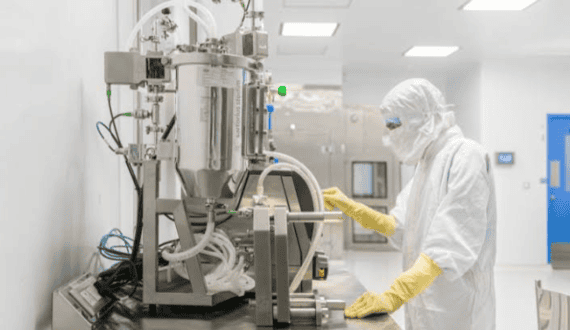
Kincell Bio and Cellipont Bioservices merge to create Kincellis Advanced Therapies
The new company combines Kincell’s expertise in immune-cell technologies with Cellipont’s experience in stem cells, induced pluripotent stem cells (iPSCs), mesenchymal stromal cells (MSCs), dendritic cells, exosomes and emerging messenger RNA (mRNA) technologies.
-

Ori Biotech signs US$120M cell therapy manufacturing deal as Cellares restructures
Under the new agreement, Ori will work with its partner to modernise the manufacturing process for an autologous cell therapy.
-

Eli Lilly bets on Canadian biotech QurCan in genetic medicine delivery deal
QurCan will focus on developing and optimising genetic therapeutics using its delivery technology, while Lilly will take responsibility for advancing selected candidates through subsequent development stages.
-
Gilead expands global Lenacapavir reach through strategic PAHO partnership
The partnership complements existing mechanisms for supplying generic versions of lenacapavir and aims to address gaps in HIV prevention across the region.
-
Curium enters radioligand therapy market with FDA approval of Bexlutry
Developed by Curium, Bexlutry is a lutetium-177 dotatate injection that references Novartis’ Lutathera, which is approved to treat gastroenteropancreatic neuroendocrine tumors (GEP NETs).
-

Exegenesis Bio licenses EMC181 capsid to Modalis Therapeutics for DMD gene therapy
Exegenesis Bio designed EMC181 to improve the delivery of genetic medicines to muscle tissue while limiting exposure to the liver.
-
Argonaut Manufacturing Services sells LSDx Division to 1315 Capital
Following the transaction, the LSDx business will operate independently under the name Aluris Sciences.
-
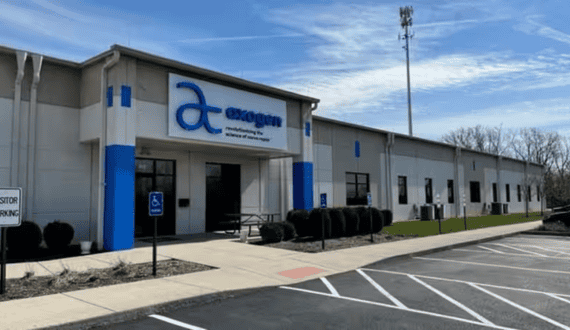
Axogen to acquire BioCircuit Technologies for US$200M to expand peripheral nerve repair portfolio
Axogen expects to complete the transaction in the fourth quarter of 2026, adding BioCircuit’s NerveTape to its portfolio.
-

ABEC to open new biopharmaceutical manufacturing facility in North Carolina
The facility will add to ABEC’s existing manufacturing operations in Bethlehem, Pennsylvania, and Springfield, Missouri, as well as its facilities in Fermoy and Kells, Ireland.