Mahout Hospital opens in Al Wusta to increase healthcare access in remote Oman
The opening of Mahout Hospital reflects Oman’s ongoing strategy to improve health security and ensure that all citizens have access to reliable care regardless of location.
Published
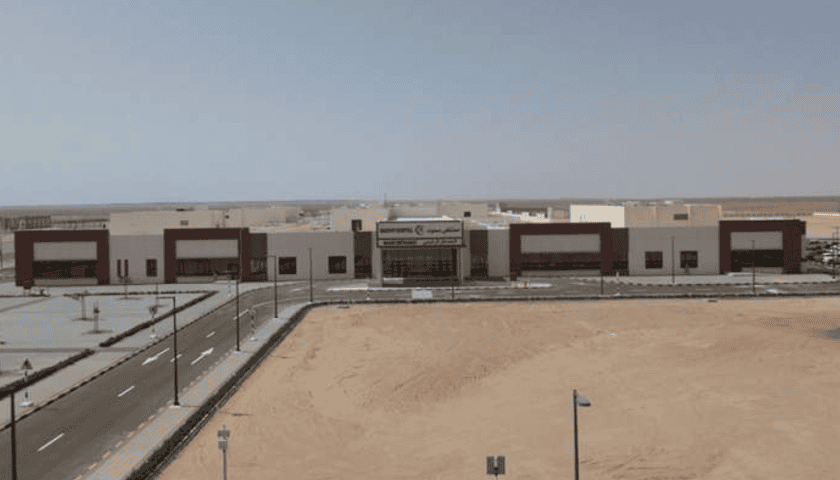
OMAN — Mahout Hospital will officially open on April 29 in Al Wusta Governorate, marking a major investment in healthcare access for residents living in one of Oman’s more remote regions.
The new facility strengthens the country’s efforts to bring quality medical services closer to communities while reducing the need for patients to travel long distances for treatment.
H. H. Sayyid Harib bin Thuwaini Al Said, Adviser at the Royal Court, will inaugurate the hospital in the presence of H. E. Dr. Hilal bin Ali Al Sabti, Minister of Health, alongside senior government officials.
Strengthening regional healthcare services
The opening of Mahout Hospital reflects Oman’s ongoing strategy to improve health security and ensure that all citizens have access to reliable care regardless of location.
By establishing modern healthcare facilities outside major cities, the Ministry of Health aims to ease pressure on referral hospitals and improve response times for urgent cases.
Residents of Mahout and surrounding communities have often relied on distant hospitals for specialized and inpatient services.
The new hospital is expected to significantly reduce travel burdens for patients and families while allowing faster access to consultations, diagnostics, maternity care and emergency treatment.
Major public investment
Mahout Hospital stands among the key healthcare development projects currently underway in the sultanate.
The government invested RO17 million (US$44.2 million) in the project, including more than RO13.9 million (US$36.1 million) in construction costs.
The hospital sits on a 200,000-square-meter site and includes a built-up area of 17,400 square meters.
Its scale allows room for both current healthcare demands and future service expansion as the region’s population grows.
Officials estimate the hospital will serve around 20,000 people in Mahout and nearby areas.
Modern facilities and specialized care
The hospital has 54 inpatient beds and offers both primary and secondary healthcare services through a range of departments equipped with modern technology.
Its outpatient section will provide routine consultations and follow-up care across multiple specialties.
The accident and emergency unit will handle urgent medical cases and trauma care, while operating theatres will support surgical procedures.
Mahout Hospital also includes delivery suites for maternity care, inpatient wards for short- and long-term admissions, and a neonatal intensive care unit to care for newborns requiring specialized treatment.
Diagnostic support services include laboratories and radiology departments designed to speed up testing and imaging for quicker clinical decisions.
Infrastructure for long-term service delivery
Beyond clinical areas, the project includes advanced electrical and mechanical systems, central air conditioning, and integrated information technology networks to support efficient hospital operations.
The Ministry of Health said the facility represents an important step in decentralizing healthcare services and ensuring fair access across Oman’s geographically diverse regions.
The project also aligns with Oman Vision 2040, which prioritizes a modern, accessible, and high-quality healthcare system capable of meeting changing population needs.
Sign up HEREto receive our email newsletters with the latest news and insights from Africa and around the world, and follow us on LinkedInfor updates.



Be the first to leave a comment