Metabolic collaborates with Dexcom to launch UAE type 2 diabetes CGM study
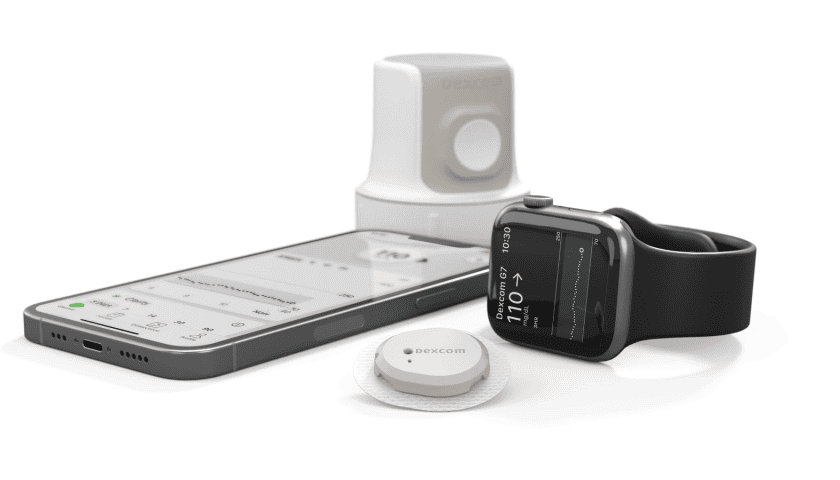
The study will use the Dexcom G7 Continuous Glucose Monitoring system, developed by a global leader in CGM technology, to assess whether continuous monitoring can improve blood sugar control when integrated into a structured, multidisciplinary care programme.
Published
UAE—Metabolic, formerly known as GluCare.Health and one of the UAE’s leading technology-enabled metabolic healthcare providers, has launched a prospective observational study to evaluate the clinical impact of continuous glucose monitoring (CGM) in people living with Type 2 diabetes (T2D).
The study will use the Dexcom G7 Continuous Glucose Monitoring system, developed by a global leader in CGM technology, to assess whether continuous monitoring can improve blood sugar control when integrated into a structured, multidisciplinary care programme.
Addressing a growing diabetes challenge
Type 2 diabetes remains one of the UAE’s most common and costly chronic diseases, placing a significant burden on both patients and the healthcare system.
Despite the availability of effective treatment options, up to 70% of people with Type 2 diabetes in the country do not achieve adequate glycaemic control, highlighting the need for more personalised and data-driven approaches to disease management.
Although continuous glucose monitoring has become an established tool for managing Type 1 diabetes, evidence supporting its effectiveness in structured Type 2 diabetes care programmes remains limited, particularly in the Gulf region.
Through this research, Metabolic aims to generate real-world clinical data on the value of integrating CGM into routine care for adults with Type 2 diabetes.
Evaluating the Dexcom G7 System
The study, titled “Evaluation of Continuous Glucose Monitoring on Glycemic Control and Diabetes Management in Type 2 Diabetes Patients,” will follow participants over a three-month period.
Researchers will enroll adults with Type 2 diabetes from Metabolic’s existing patient population and monitor changes in glycated haemoglobin (HbA1c) alongside key CGM performance metrics.
Participants will receive Dexcom G7 sensors free of charge throughout the study, ensuring that the cost of continuous glucose monitoring does not limit participation.
By removing financial barriers, the research team aims to obtain a clearer understanding of how consistent access to CGM technology influences diabetes management within a comprehensive care model.
Generating real-world clinical evidence
According to Dr. Ihsan Almarzooqi, Co-Founder and Managing Director of Metabolic, continuous glucose monitoring provides clinicians with one of the most effective ways to understand a patient’s metabolic health in real time.
He said the technology offers detailed insights into glucose patterns that extend well beyond the information available during routine clinic visits, enabling healthcare teams to make more informed treatment decisions.
Dr. Almarzooqi added that the study is expected to provide robust clinical evidence on the role of continuous glucose monitoring within a structured Type 2 diabetes care programme.
The findings will help clinicians better understand how CGM can be deployed more effectively and at greater scale to support patients managing Type 2 diabetes through technology-enabled, multidisciplinary care.
Sign up HEREto receive our email newsletters with the latest news and insights from Africa and around the world, and follow us on LinkedInfor updates.



Be the first to leave a comment