
UN leaders renew commitment to pandemic preparedness at UN General Assembly
Under the proposal, timely pathogen sharing would support research and development while facilitating access to vaccines, medicines, diagnostics and other health products.
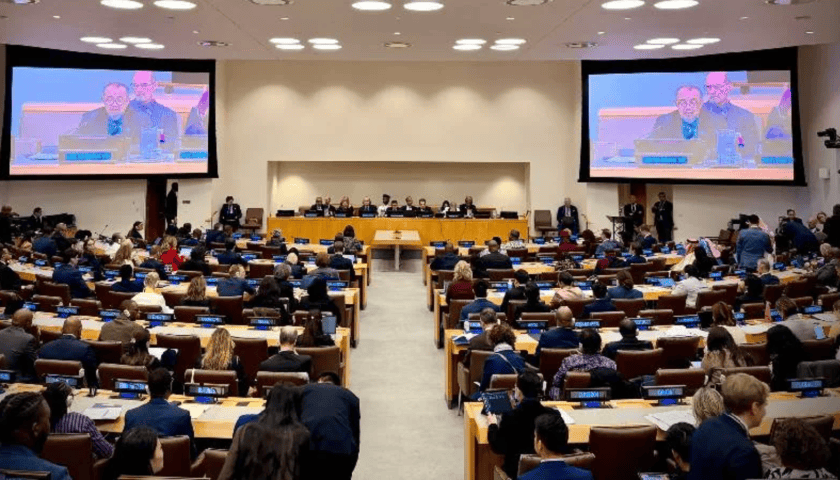
USA—Political leaders at the United Nations General Assembly (UNGA) renewed their commitment on September 28 to strengthening pandemic prevention, preparedness, and response (PPPR), calling for sustained investment and more equitable access to health technologies.
The UNGA held its second high-level meeting on PPPR, three years after the first meeting was convened in response to lessons from the COVID-19 pandemic.
Countries emphasized that pandemic preparedness requires coordinated action across governments, communities and sectors, rather than health systems alone.
Global systems gain new capacity
Leaders highlighted measures introduced since 2023, including adoption of the WHO Pandemic Agreement and amendments to the International Health Regulations (2005).
They also pointed to expanded capacity for epidemic and pandemic surveillance, pathogen sharing, and local production of vaccines, medicines and diagnostics.
However, WHO Director-General Dr Tedros Adhanom Ghebreyesus said countries need to maintain momentum and investment.
WHO estimates that COVID-19 was associated with more than 20 million excess deaths between 2020 and 2023, while the pandemic is estimated to have reduced global economic output by more than US$10 trillion.
“The COVID-19 pandemic exposed and exacerbated the fault lines of global health security and taught the world many painful lessons,” Dr Tedros said.
He said the commitments made at the meeting included action to strengthen national and local capacities, build resilient health systems and improve equitable access to health products, tools, and resources.
Pathogen sharing remains a priority
Countries also called for progress on negotiations for an annex to the WHO Pandemic Agreement establishing the Pathogen Access and Benefit-Sharing (PABS) system.
The proposed mechanism would govern the sharing of pathogens with pandemic potential and the benefits generated from their use.
Under the proposal, timely pathogen sharing would support research and development while facilitating access to vaccines, medicines, diagnostics and other health products.
WHO Member States are negotiating the annex ahead of the World Health Assembly in May 2027.
Its adoption would allow countries to begin national processes for considering ratification of the Pandemic Agreement.
UN Deputy Secretary-General Amina Mohammed, speaking on behalf of Secretary-General António Guterres, said the PABS system would be important to implementing the agreement and urged Member States to accelerate negotiations.
One Health and resilient supply chains
The declaration also emphasized international cooperation, noting that national health security depends on collaboration across borders.
It highlighted a One Health approach that considers the links between human, animal and environmental health.
Opening the meeting, Dr Khalilur Rahman, President of the 81st UN General Assembly, called for equitable access to vaccines, diagnostics and therapeutics, stronger health systems and action to address persistent financing gaps.
Throughout the meeting, leaders stressed that PPPR should remain a political priority between emergencies.
For the health industry, the commitments call for continued attention to surveillance capacity, resilient supply chains, local manufacturing, research and development, and equitable access to medical countermeasures.

Be the first to leave a comment