
Celltrion secures global rights to Kaigene’s kidney disease antibody in US$580M deal
Kaigene is developing the antibody for long-acting subcutaneous administration to maintain target inhibition over extended intervals and reduce treatment frequency.
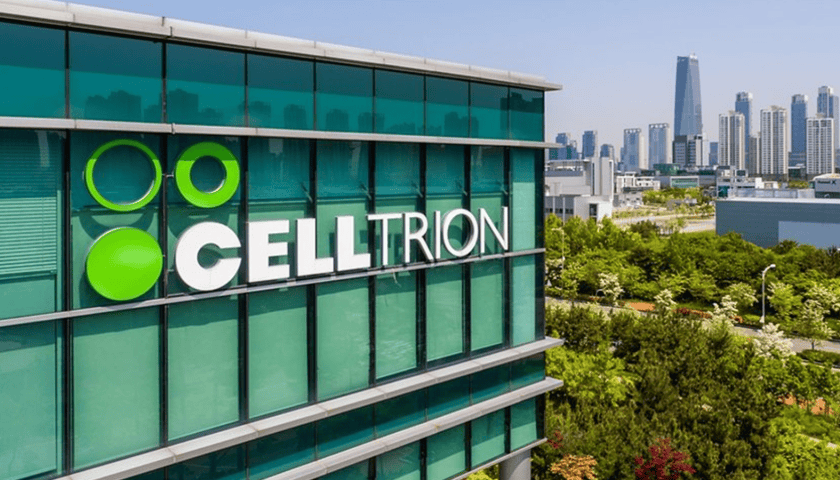
SOUTH KOREA—Biopharmaceutical company Celltrion has secured exclusive global development and commercialisation rights to Kaigene’s investigational antibody KG013 for up to Won769billion (US$580 million), expanding its drug development pipeline into autoimmune diseases.
The agreement includes an upfront payment and milestone payments tied to development, regulatory and commercial targets.
Kaigene will also receive royalties on net sales and retains the option to co-market KG013 in South Korea.
Targeting IgA nephropathy
KG013 is a fully human monoclonal antibody designed to bind its target with femtomolar affinity and remain active in the body for an extended period.
The candidate targets A Proliferation-Inducing Ligand (APRIL), a protein involved in plasma cell survival and antibody production.
By inhibiting APRIL, KG013 is designed to reduce the production of harmful immunoglobulin A (IgA) and immunoglobulin M (IgM) antibodies.
Kaigene is developing the antibody for long-acting subcutaneous administration to maintain target inhibition over extended intervals and reduce treatment frequency.
Its lead target indication is immunoglobulin A nephropathy (IgAN), a progressive kidney disease in which IgA-containing immune complexes accumulate in the kidneys, triggering inflammation and tissue damage.
Kaigene is positioning KG013 as an expansion of its autoimmune disease portfolio beyond immunoglobulin G (IgG)- mediated conditions.
The company’s broader approach includes therapies designed to address diseases driven by different types of pathogenic antibodies.
Kaigene CEO Minjae Shin said the company aims to develop a portfolio of treatments for antibody-driven diseases.
He identified KG013 as a potential treatment for IgA- and IgM-mediated conditions, with IgAN as the first planned indication.
Shin cited an estimated 160,000 diagnosed IgAN patients in the United States and approximately 30,000 in South Korea, noting that the disease is particularly prevalent among Asian populations.
He said the company aims to develop a treatment offering durable benefits for patients.
Global development and commercialisation
Under the agreement, Celltrion will bring its antibody development, manufacturing and commercialisation capabilities to the programme as the companies work towards potential global market access.
The partnership gives Kaigene access to an established biopharmaceutical infrastructure while allowing Celltrion to expand its pipeline beyond its established biosimilar business.
Kaigene, a US-based biotechnology company, develops therapies for autoimmune diseases using several technology platforms.
These include NanoBx, a nanobody-based brain delivery platform; oral peptide therapeutics; multispecific monoclonal antibodies; and pathogenic antibody degraders (PDEGs).
Celltrion has been expanding its innovative drug pipeline through internal research and external licensing agreements alongside its core biosimilar operations.
The KG013 deal adds an investigational antibody targeting a different disease mechanism to its development portfolio.

Be the first to leave a comment