Zimbabwe invests US$30M in cancer care upgrades in Mpilo and Parirenyatwa
The latest upgrades follow the recent arrival of advanced multi-energy radiotherapy machines destined for Mpilo and Parirenyatwa hospitals, part of a broader government initiative to improve access to specialised cancer treatment across Zimbabwe.
Published
ZIMBABWE — The Zimbabwean government has reaffirmed its commitment to strengthening cancer treatment services and modernizing healthcare infrastructure.
Finance, Economic Development and Investment Promotion Minister Professor Mthuli Ncube described healthcare spending as a strategic investment that supports economic growth while improving citizens’ wellbeing.
Speaking during a tour of Mpilo Central Hospital in Bulawayo, Prof Ncube said the government would continue investing in cancer treatment facilities, with plans already underway to expand services by acquiring specialised equipment for prostate and cervical cancer treatment.
Major Investment in Cancer Treatment
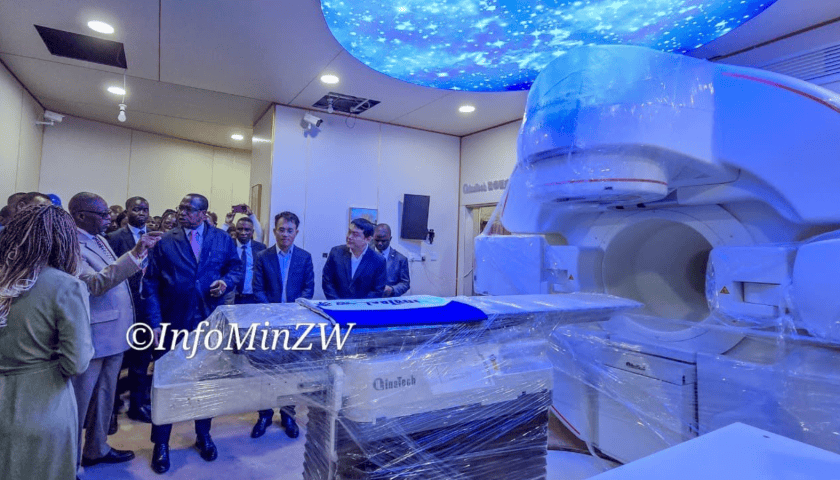
The minister inspected newly installed radiotherapy equipment at Mpilo Hospital, procured with revenue from Zimbabwe’s sugar content tax on beverages.
The government has so far invested approximately US$30 million in acquiring and installing cancer treatment equipment at Mpilo Central Hospital and Parirenyatwa Group of Hospitals.
According to Prof Ncube, the sugar tax will continue to finance future healthcare investments.
Mpilo is currently installing a low-energy radiotherapy machine designed to treat cancers located close to the skin.
Preparations are also underway for the installation of a higher-energy radiotherapy unit that has already arrived in the country.
Hospital officials expect the installation process to be completed before the end of June.
The latest upgrades follow the recent arrival of advanced multi-energy radiotherapy machines destined for Mpilo and Parirenyatwa hospitals, part of a broader government initiative to improve access to specialised cancer treatment across Zimbabwe.
Recent reports indicate that the new equipment will significantly enhance treatment precision while helping to reduce patient waiting times and longstanding treatment backlogs.
Hospital Upgrade Programme Progress
During the visit, Prof Ncube also assessed progress under the Presidential Hospital Upgrade Programme.
He expressed satisfaction with the ongoing renovations, noting that one of the refurbished hospital blocks is expected to be completed by August.
The renovations have transformed patient rooms and service areas, forming part of a nationwide effort to modernise public healthcare facilities.
The minister said the upgrades are not only improving healthcare delivery but are also creating employment opportunities, particularly for young people working on construction projects.
Reliable power for critical services
The minister also toured the hospital’s solar power installation and backup power systems. He noted that reliable electricity is essential for healthcare facilities, particularly those operating specialised diagnostic and treatment equipment.
The solar system currently supports key hospital departments, including laboratories and maternity services, while backup generators help ensure uninterrupted operations during power outages.
Expanding access to comprehensive cancer care
Prof. Ncube said the government intends to expand cancer treatment services by acquiring additional equipment for managing prostate and cervical cancer once suitable infrastructure has been constructed.
The long-term goal is to equip Mpilo and Parirenyatwa hospitals with a full range of technologies required to diagnose and treat different forms of cancer.
Recent government announcements have also highlighted plans to procure additional CT scanners, MRI scanners and other advanced diagnostic equipment to strengthen early cancer detection nationwide.
To support sustainability, the government has signed maintenance agreements with equipment suppliers and has included skills-transfer programmes to train local healthcare professionals to operate and maintain the new technology.
As newer machines become operational at major referral hospitals, older equipment will be redeployed to other institutions, helping expand cancer treatment services across Zimbabwe and bringing specialised care closer to more communities.
Sign up HEREto receive our email newsletters with the latest news and insights from Africa and around the world, and follow us on LinkedInfor updates.



Be the first to leave a comment