UAE MoHAP collaborates with private hospitals to improve the national emergency healthcare response system
The agreements aim to strengthen national health security and create a coordinated response system that can manage future emergencies more effectively.
Published
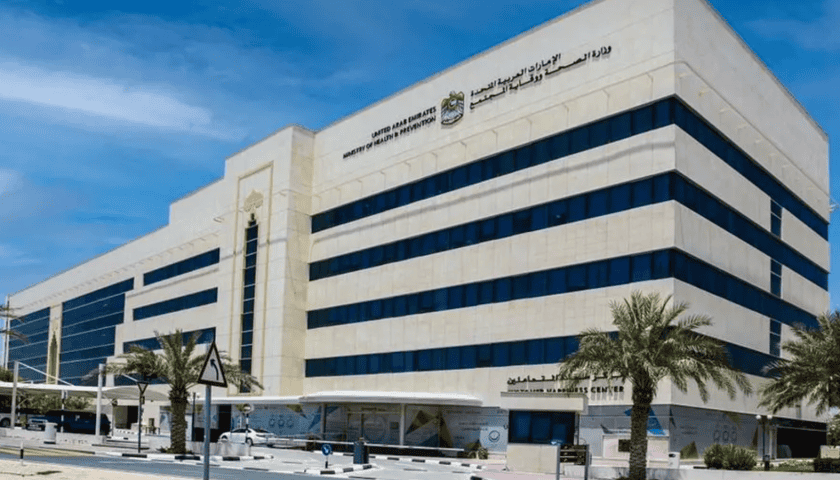
UAE—The Ministry of Health and Prevention (MoHAP) has signed memoranda of understanding with five private healthcare providers, including Thumbay Group Hospitals, University Hospital, Ajman Hospital, Fujairah Hospital, Amina Hospital, and Dar Al Kamal Hospital.
The agreements aim to strengthen national health security and create a coordinated response system that can manage future emergencies more effectively.
They also reinforce integration between public and private healthcare sectors to ensure continuity of services under a unified preparedness framework.
The signing ceremony was attended by Dr Amin Al Amiri, Assistant Undersecretary for the Health Regulation Sector, while the Ministry was represented by Dr Abdul Karim Abdullah Al Zarouni, Emergency Crisis and Disaster Advisor.
Emergency response and system coordination
Under the agreements, the ministry will oversee the development and regular updating of emergency response plans for participating hospitals including medical evacuation procedures and business continuity strategies.
It will also update risk registers for each facility and involve staff in simulation exercises and specialized training programs to enhance preparedness.
Participating facilities have committed to allocating up to 30% of bed capacity to the Ministry’s operations centre when required, maintaining a two-month stockpile of essential medicines and supplies, and establishing dedicated control rooms for continuous coordination.
Dr Al Zarouni said the memoranda mark a shift from general coordination to an operational partnership that unifies standards and protocols across sectors.
He added that private healthcare providers are now key partners in national health security enabling a flexible response network that can rapidly scale capacity during emergencies.
Digital integration and data management
The memoranda also emphasize digital integration through platforms such as Jahiz and Mawardna to ensure real-time data exchange and faster decision-making during crises.
They also require healthcare facilities to regularly update medical resource data and comply with national regulations on health information sharing and confidentiality.
Officials from private healthcare facilities reaffirmed their commitment to supporting the Ministry’s efforts to strengthen health security and improve emergency response coordination.
They said the collaboration enhances shared responsibility ensures business continuity and reinforces the UAE’s role in advancing global standards for healthcare preparedness.
The initiative forms part of the UAE’s broader strategy to strengthen emergency preparedness across its healthcare system, focusing on interoperability between digital platforms, rapid resource mobilisation, and coordinated hospital response structures during large-scale health incidents.
It also supports continuous training programs, simulation drills, and integration of real-time data systems to improve coordination during emergencies across all facilities nationwide.
Under the framework, participating hospitals must also maintain strict data confidentiality standards while ensuring timely reporting of critical indicators to central command centres for coordinated emergency response management systems oversight.
Sign up HEREto receive our email newsletters with the latest news and insights from Africa and around the world, and follow us on LinkedInfor updates.


Be the first to leave a comment