

Medical Devices & Innovations
-
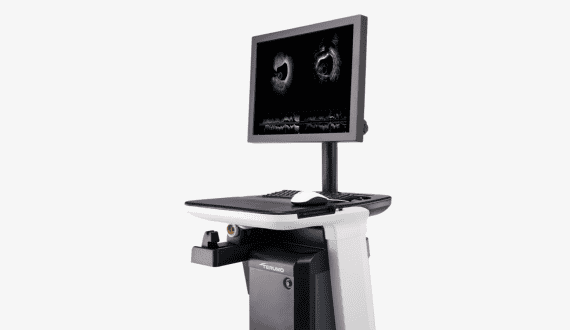
Terumo’s OPUSWAVE dual-sensor imaging system debuts in US.
The OPUSWAVE Imaging System is built around Terumo’s DualView Imaging Catheter, which combines optical frequency-domain imaging (OFDI) and intravascular ultrasound (IVUS) on a single platform.
-

WHO grants first emergency use listing for Bundibugyo Ebola diagnostic test
The test detects the virus by identifying its genetic material in blood samples, allowing health workers to confirm infections quickly and accurately.
-
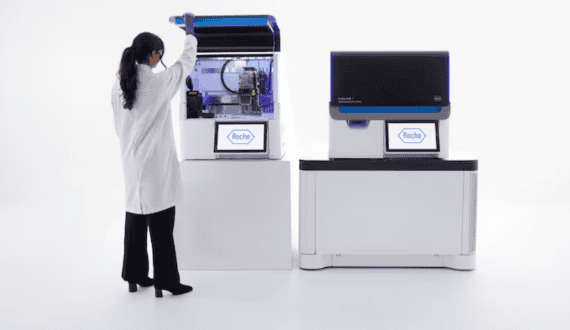
Roche launches the AXELIOS 1 Sequencer to compete with Illumina in next-generation genomics
Unlike conventional sequencing technologies, Axelios 1 uses SBX chemistry to convert DNA or RNA molecules into enlarged surrogate polymers known as Xpandomers.
-

Labcorp partners with Geneoscopy for nationwide commercial rollout of ColoSense
Developed by Geneoscopy and offered commercially through Labcorp, ColoSense is intended for adults aged 45 to 85 years who are considered to have an average risk of colorectal cancer.
-

Egypt’s Al Mokhtabar installs fully automated Sysmex blood science track line
The new system increases the Mega Lab’s haematology testing capacity to more than 1,000 tests per hour while reducing manual handling throughout the testing workflow.
-

Moscow expands medical AI standards as digital healthcare adoption accelerates in Russia
Moscow researchers developed a series of national standards, known as GOST standards, covering the creation, testing, and clinical use of AI technologies.
-

Medtronic completes US$550M acquisition of Scientia Vascular to strengthen the neurovascular access portfolio
Scientia Vascular develops advanced access products designed to improve simplicity and precision during neurovascular interventions.
-
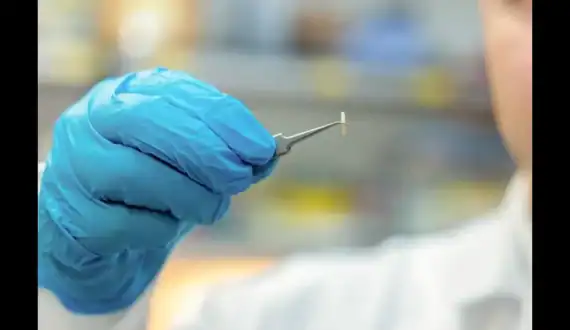
NYU Abu Dhabi collaborates with Cleveland Clinic to develop wire-free injectable microdevice for chronic pain management
The researchers designed the device to work seamlessly with existing medical imaging technologies, including ultrasound and CT scans.
-

SSMC launches PillSense capsules in Abu Dhabi to improve internal bleeding detection
The capsule uses advanced light-absorption technology to detect blood in the upper gastrointestinal tract and wirelessly transmits the findings to an external receiver, which is monitored by healthcare professionals.
-

Seychelles and Eritrea adopt Abbott’s triple elimination test for maternal health
Abbott’s Determine™ ANC Panel enables simultaneous detection of HIV, syphilis, and hepatitis B from a single finger-prick sample, delivering results within minutes at the point of care.