Cipla Foundation partners with FREF to scale “Sha’p Left” nurse-led clinics
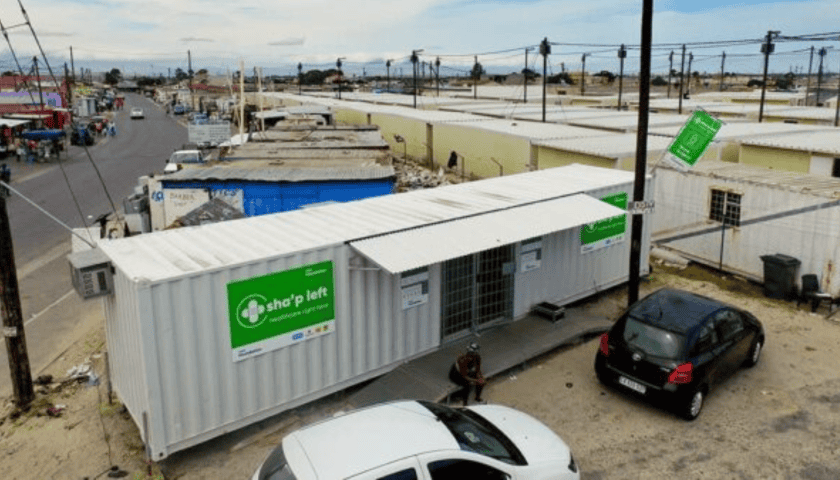
Sha’p Left addresses this directly by positioning its nurse-led surgeries in high-traffic, easily accessible locations such as busy taxi ranks, so that patients can receive care quickly and conveniently.
Published
SOUTH AFRICA—The Cipla Foundation’s Sha’p Left initiative has partnered with the FirstRand Empowerment Foundation (FREF) to improve access to affordable, high-quality primary healthcare in underserved South African communities.
Together, the two organisations plan to scale Sha’p Left’s nurse-led clinics across the Western Cape, KwaZulu-Natal, and Gauteng—growing the number of facilities from 11 to 61 by the end of 2029.
Bridging the gap in primary healthcare
For millions of South Africans living in peri-urban and rural areas, reaching quality healthcare remains a daily struggle.
Overcrowded public health facilities mean long waiting times, forcing many low-income, uninsured patients to spend an entire day seeking basic medical attention — and losing a day’s wages in the process.
Sha’p Left addresses this directly by positioning its nurse-led surgeries in high-traffic, easily accessible locations such as busy taxi ranks so that patients can receive care quickly and conveniently.
Currently, the clinics serve more than 5,000 patients each month, with women accounting for 60% of those patients.
A model built around empowerment
At the heart of Sha’p Left’s approach is enterprise development.
The initiative works with qualified, predominantly women clinical nurse practitioners (CNPs)—called “entreprenurses”—and supports them in establishing owner-operated clinics within their own communities.
Each surgery operates on a fee-for-service model and holds a dispensing license, meaning that consultations include necessary medication, among them Schedule 4 medicines.
This structure delivers a dignified, holistic patient experience while also creating sustainable livelihoods for the nurses who run the clinics.
The existing clinics use GMP-compliant containerised structures, and solar energy solutions are being rolled out across facilities to lower overhead costs and support environmental sustainability.
Strengthening the national health system
By shifting the load away from overburdened public facilities, the partnership directly supports national health priorities — promoting preventative care and reducing systemic pressure across the public health system.
FREF’s investment will accelerate the rollout of new nurse surgeries, with the first three clinics under this partnership set to open in 2026 in Senoane (Gauteng), KwaNyuswa (KwaZulu-Natal), and Verulam (KwaZulu-Natal).
Sign up HEREto receive our email newsletters with the latest news and insights from Africa and around the world, and follow us on LinkedInfor updates.


Be the first to leave a comment