
Genentech signs US$1.5B Earendil deal to develop AI-designed bispecific antibodies
Earendil, a biotechnology company operating in the US and China, will identify and develop bispecific antibody programmes based on target combinations agreed with Genentech.
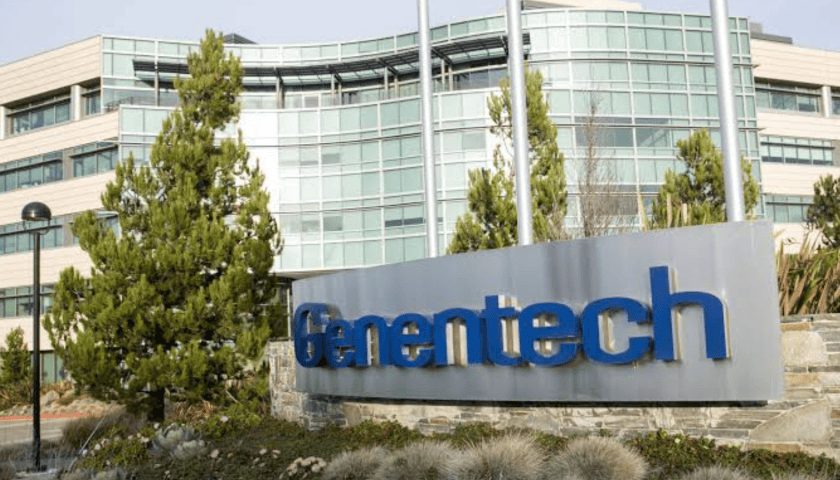
GERMANY—Roche’s Genentech has signed a deal with Earendil Labs to discover and develop bispecific antibodies for oncology, using the biotech’s AI platform to identify potential treatments for patients with limited options.
Under the agreement, Genentech will pay Earendil US$55 million upfront and could provide up to US$1.445 billion in development, regulatory and sales milestones.
Earendil will also be eligible for tiered royalties on sales of products that reach the market.
AI platform to support antibody discovery
Earendil, a biotechnology company operating in the US and China, will identify and develop bispecific antibody programmes based on target combinations agreed with Genentech.
The company will lead each programme through early development and into the initial clinical stage, after which Genentech will assume responsibility for further development and commercialisation.
The collaboration will use Earendil’s high throughput biology platform, which combines predictive protein modelling with generative protein design.
The company says the technology is intended to accelerate the identification of potential therapeutic candidates and support the development of bispecific antibodies designed to address treatment resistance and disease relapse.
The partnership adds to Roche’s broader efforts to use external technologies and platforms to strengthen its drug discovery pipeline.
It also expands Earendil’s relationships with large pharmaceutical companies following a separate agreement with Sanofi announced in January.
Sanofi agreed to a potential US$2.56 billion collaboration with Earendil focused on autoimmune diseases.
The French pharmaceutical company also participated in Earendil’s $787 million financing round alongside Dimension Capital and Pfizer and Hillhouse’s Biotech Development Fund.
The funding is expected to support the expansion of Earendil’s AI technology and the advancement of more than 40 programmes across immunology, inflammation and oncology.
Roche adds second drug discovery partnership
Roche also announced a separate research collaboration with Atavistik Bio on the same day.
The agreement could generate up to US$1.97 billion in payments and will focus on discovering small molecule therapies for cardiovascular, renal and metabolic diseases.
Atavistik will receive US$70 million upfront, followed by up to $1.9 billion in research, development, and commercial milestones, as well as tiered royalties on potential net sales.
The biotech will use its AMPS drug discovery platform to identify cryptic binding regions on therapeutically relevant targets that have proved difficult to address with conventional approaches.
The platform is designed to identify allosteric binding sites that could provide new opportunities for small molecule drug development.
Atavistik will lead discovery and research activities under the collaboration, while Roche will oversee subsequent preclinical, clinical, regulatory and commercial development.
The agreement also represents an expansion of Atavistik’s work into cardiovascular, renal, and metabolic diseases, areas beyond its primary focus on haematological conditions.
AI adoption raises governance considerations
Pharmaceutical companies have increasingly explored AI for drug discovery, particularly to accelerate candidate screening, analyse biological data and identify potential molecules and targets.
Companies including Novo Nordisk, Eli Lilly, GSK and Bristol Myers Squibb have entered partnerships or invested in AI capabilities as they seek to replenish development pipelines.
At the same time, the use of AI in regulated industries has raised questions about data security, oversight and the controls required when AI systems interact with sensitive information.
Those concerns gained further attention following a reported incident involving an OpenAI model and Australian government healthcare data.
The incident has contributed to broader discussion about safeguards for AI systems, although the circumstances and implications of individual incidents require separate assessment.
For pharmaceutical research, the growing use of AI has therefore brought greater attention to governance frameworks, data protection, human oversight and controls designed to keep AI systems within defined operational boundaries.
Be the first to leave a comment