

Hospitals
-
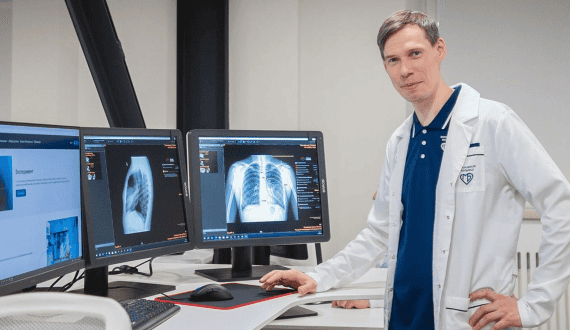
Moscow expands MosMedAI platform to scale AI radiology across 75 Russian regions
Moscow opened access to its MosMedAI platform to healthcare institutions across Russia in 2024, following a decree by Russian President Vladimir Putin.
-
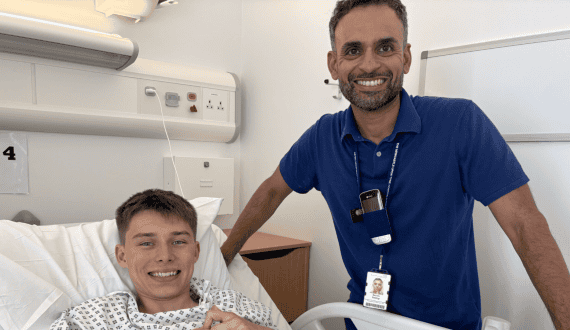
Newcastle Hospitals performs UK’s first adolescent spinal cord stimulation implantation
Dr Sachin Rastogi, consultant anaesthetist, and Akbar Hussain, consultant neurosurgeon and functional neurosurgeon, performed the procedure at the Royal Victoria Infirmary, part of the Newcastle Hospitals group.
-

Sidra Medicine administers Novartis’ Itvisma gene therapy to Qatar’s first SMA patient
The milestone also makes Qatar the third country worldwide to administer Itvisma and marks a significant step in the country’s precision medicine and rare disease care efforts.
-
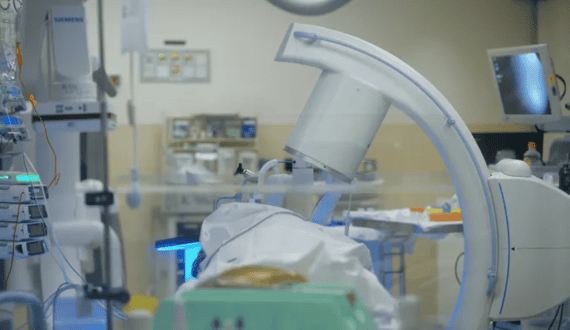
Cleveland Clinic Abu Dhabi debuts Middle East’s first robotically assisted bronchoscopy platform
The hospital has introduced the MONARCH™ platform, which allows physicians to navigate a flexible endoscope deep into the lungs with greater stability, control and precision.
-

Sheba Medical Center collaborates with OpenAI to increase access to healthcare AI models
Under the agreement, Sheba physicians will receive early access to new healthcare models before their wider release, while the partnership will also expand research collaboration between the two organizations.
-

Aster Clinics UAE to expand network to more than 100 facilities by 2030
The network plans to scale diabetes care using a “clinic within a clinic” approach, enabling patients to access integrated and convenient services for chronic disease management.
-

Mayo Clinic expands Middle East footprint with opening of Riyadh Representative Office
The new office strengthens Mayo Clinic’s presence in the Middle East and provides a direct link between patients in Saudi Arabia and its medical campuses in the US and UK.
-
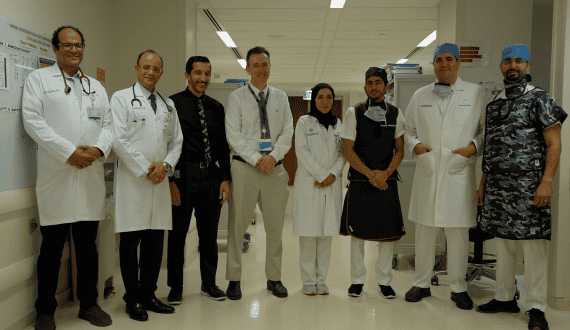
Cleveland Clinic Abu Dhabi implants first wireless heart sensor for remote heart failure monitoring
The minimally invasive technology enables doctors to monitor patients remotely and identify changes in their condition before symptoms become severe.
-

EHS introduces twice-yearly schizophrenia treatment BYANNLI at Al Amal Psychiatric Hospital
Schizophrenia is a chronic and complex mental health disorder that can significantly affect patients, their families and caregivers when inadequately managed.
-

Sidra Medicine research shows maternal diet shapes child health through epigenetics
Researchers found that women who delivered prematurely consumed significantly lower amounts of protein, vitamins and essential minerals than those who carried their pregnancies to term.